Cross Docking in Warehouse Operations: When It Works and When It Creates Chaos
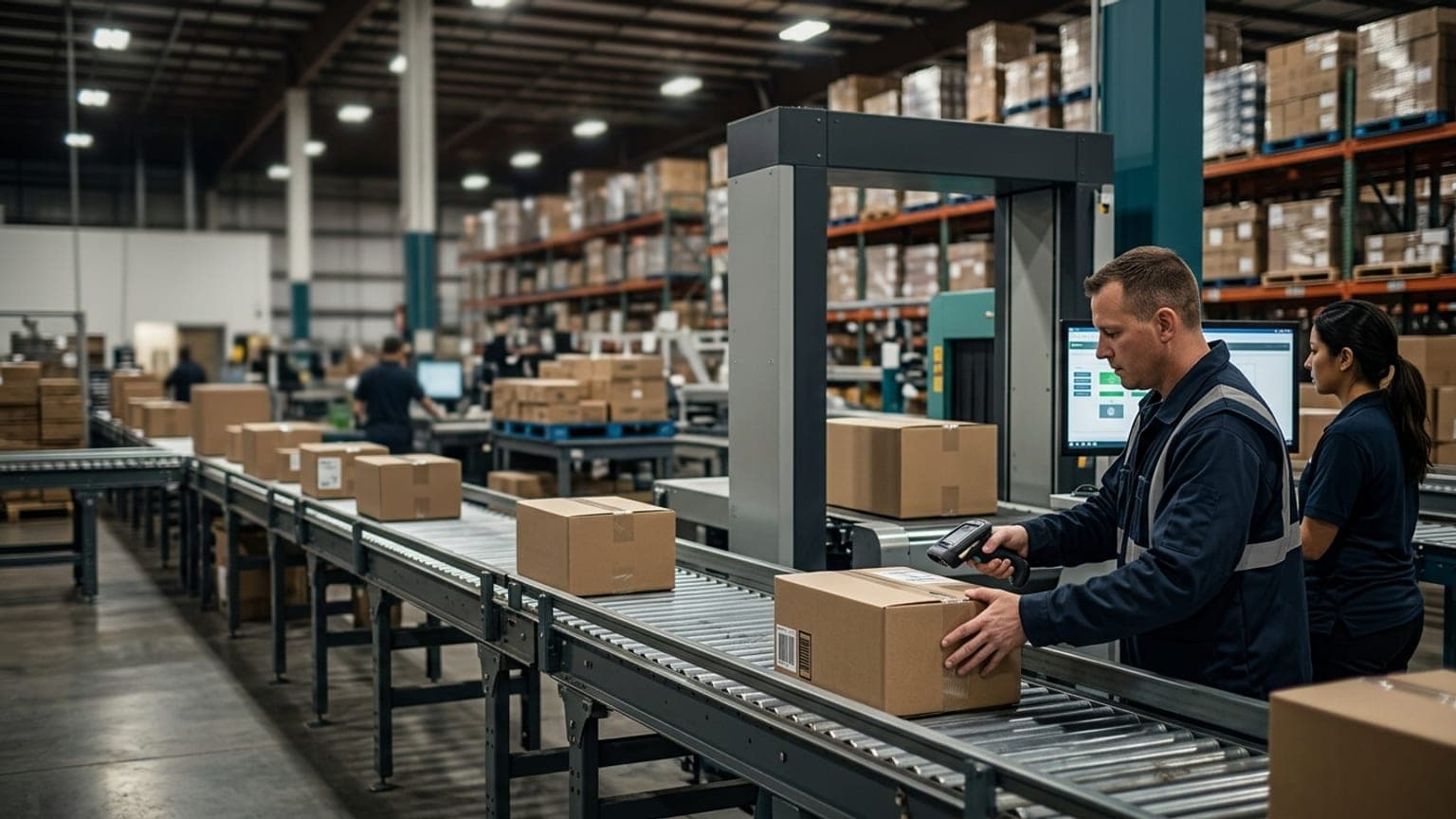
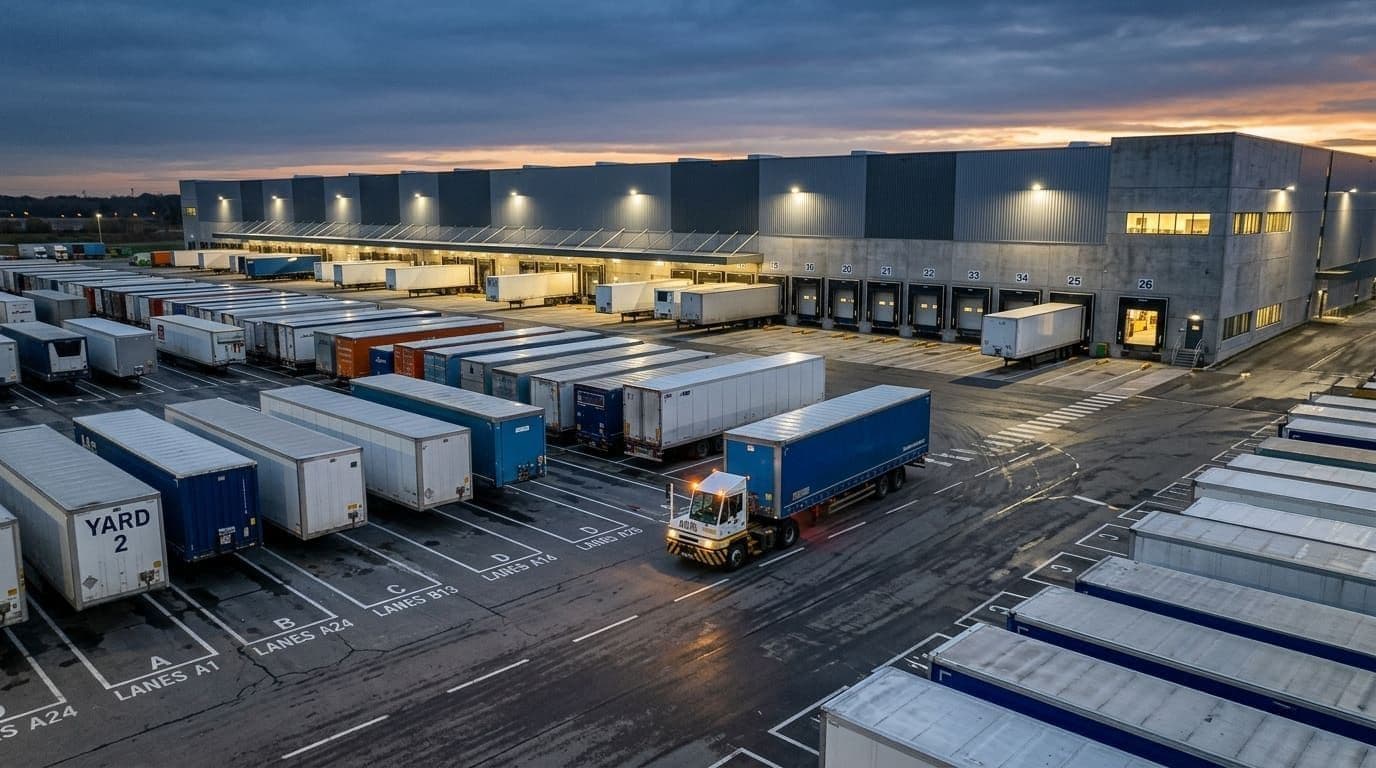
Cross docking warehouse workflows sound simple on paper. Freight comes in one door, moves across the building, and leaves through another without sitting in storage for long.
When it works, cross docking cuts handling, reduces storage pressure, and gets product moving faster. When it is forced into the wrong operation, it creates dock congestion, confused handoffs, and a lot of freight parked in the middle waiting for someone to decide what happens next.
That is why cross docking should be treated as a selective workflow, not a blanket efficiency trick.
What cross docking actually means in warehouse operations
Cross docking is the movement of inbound freight directly to an outbound path with minimal storage time in between.
In practice, that can mean:
- receiving product and routing it straight to a store or customer order
- unloading supplier freight that is already allocated to a route or wave
- consolidating inbound loads into outbound shipments without full putaway
- moving transfer inventory quickly between facilities without storing it locally
The core idea is simple. Do not store what you already know how to ship.
The problem is that many warehouses try to cross-dock freight that still needs inspection, allocation, labeling, or system cleanup. At that point, it is no longer a fast-transfer workflow. It is just regular receiving with extra pressure.
When cross docking makes sense
Cross docking works best when three conditions are true.
1. The demand destination is already known
If inbound freight already has a destination before arrival, the handoff is much cleaner.
Good examples include:
- retail replenishment by store route
- pre-allocated ecommerce transfer stock
- promotional inventory with a fixed outbound plan
- 3PL freight that is already assigned to a customer shipment or lane
If the inventory still needs planning after receipt, cross docking gets riskier.
2. The freight is operationally predictable
Freight that is standardized, labeled correctly, and easy to identify is much easier to cross-dock than irregular, mixed, or exception-heavy loads.
Operations usually struggle when they try to cross-dock freight with:
- missing or inaccurate ASNs
- mixed SKU pallets with unclear destination logic
- damage risk that requires deeper inspection
- paperwork gaps that block outbound release
This is why clean inbound data matters. If your receiving team does not trust what is arriving, they will create manual checks that slow the handoff anyway.
3. The outbound timing is close enough to the inbound timing
Cross docking is not magic. It shifts the timing burden onto the dock.
If inbound freight arrives at 8 AM but the outbound trailer is not ready until late afternoon, you have not eliminated storage. You have created temporary storage in a staging lane that was supposed to stay fluid.
That is where cross docking starts to create chaos.
Why cross docking fails in real warehouses
Most failed cross-dock programs break for the same reasons.
Weak inbound visibility
If the warehouse does not have reliable ASN data, route information, or receiving discipline, teams spend too much time figuring out what the freight is before they can move it.
That is the same reason strong ASN processes matter. Better pre-arrival data reduces guesswork and shortens the decision time at the dock.
Shared space with standard receiving
A lot of sites say they run cross docking, but what they really have is inbound freight mixed with standard receipts, exceptions, and outbound staging in the same area.
That setup creates:
- more searching
- more touches
- more blocked travel paths
- less accountability for handoff timing
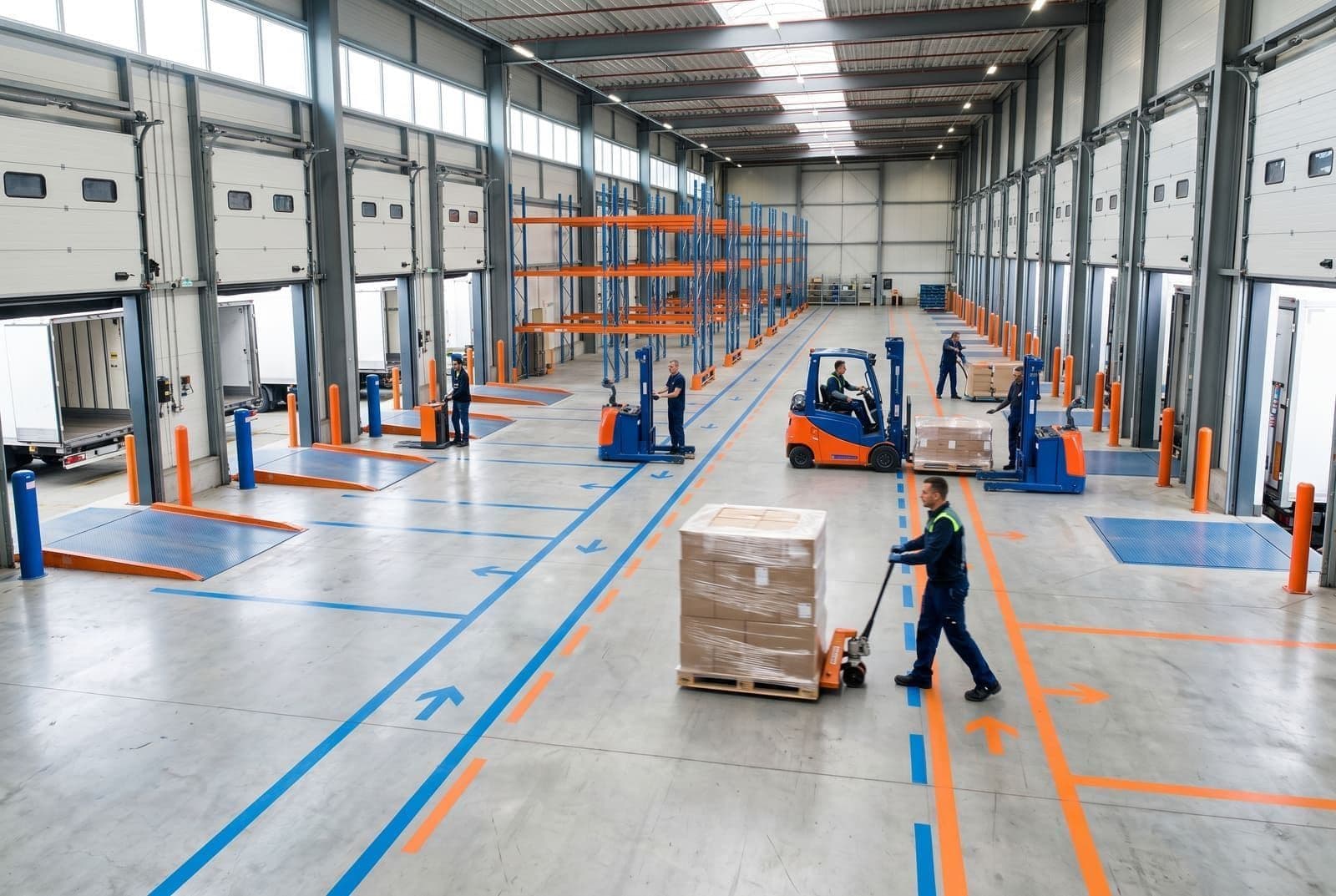
Cross-dock freight should have distinct lanes, visual ownership, and priority rules. If it competes with everything else, it stops being fast.
No dwell-time rule
Cross-dock lanes need a hard time limit.
If freight sits there indefinitely, the operation starts using the cross-dock area as overflow. Then supervisors lose visibility, outbound teams wait on freight that should already be assigned, and the dock gets crowded.
This connects closely to stronger warehouse staging area management. Temporary space only stays useful when the operation treats time-in-zone as a real KPI.
Too many touches for a supposed fast path
A good cross-dock flow minimizes handling.
If freight is unloaded, sorted, re-labeled, re-scanned, re-staged, and searched again before loading, the labor benefit disappears. You may still be moving product quickly, but you are paying for it with complexity.
How to design a cross docking workflow that actually works
Start smaller than you think.
Do not convert the whole dock. Pick one freight profile that already has the right characteristics, then build control around it.
Separate cross-dock freight from regular receiving
At minimum, define:
- which doors or time windows support cross docking
- which freight profiles qualify
- who owns the inbound-to-outbound handoff
- where exception freight goes when it does not qualify
The biggest mistake is letting exceptions remain in the fast lane.
Pre-assign the next move before freight arrives
Cross docking depends on decision-making before physical handling.
That means using:
- ASNs with destination detail
- route or wave assignments
- lane labels tied to the outbound move
- system rules that tell operators exactly where freight should go
If operators are deciding the destination on the fly, the process is too loose.
Set a hard dwell-time target
Treat cross-dock dwell time as one of the main health checks.
Many operations use simple targets such as:
- less than 2 hours for route-ready freight
- less than 4 hours for consolidation workflows
- immediate escalation when freight misses its outbound window
The exact number depends on your schedule, but the principle is the same. Cross-dock lanes should turn quickly or they stop being cross-dock lanes.
Measure touches and misses, not just volume
A cross-dock program can look successful because volume is moving through it. That is not enough.
Track:
- average dwell time in the cross-dock zone
- touches per pallet or carton
- percent of freight that misses the intended outbound window
- dock congestion caused by cross-dock overflow
- exception rate by supplier, lane, or freight type
Those metrics show whether speed is real or whether the dock is quietly absorbing the mess.
Where dimension and shipment data can help
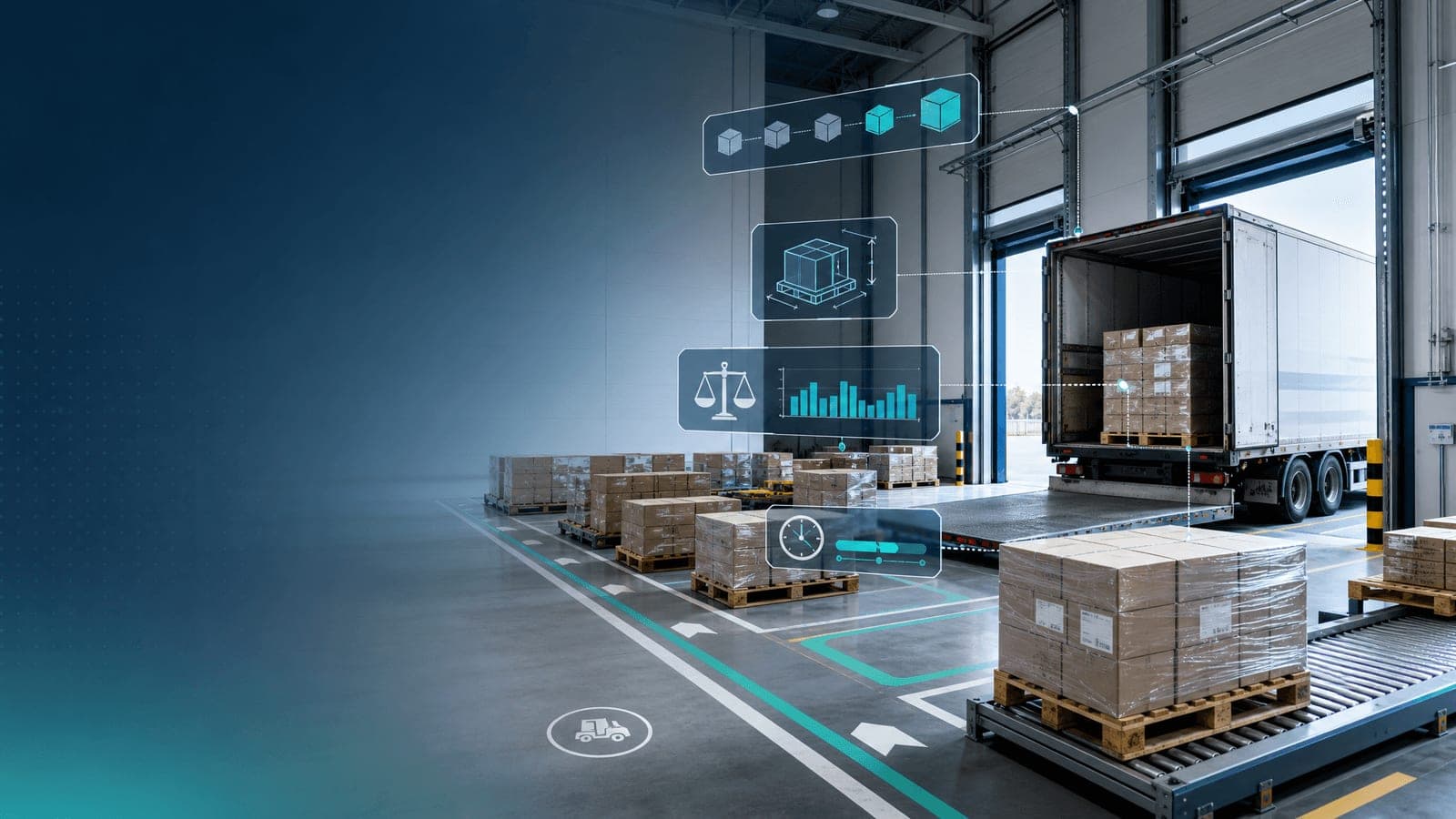
Cross docking is mostly a workflow problem, but clean data helps protect the handoff.
Accurate shipment dimensions can improve:
- lane planning for temporary cross-dock staging
- trailer planning and load sequencing
- labor planning for mixed parcel and pallet flow
- exception handling when freight does not match what was expected
For carton-heavy operations, Wilkins Parcel Dimensioner can help teams capture cleaner shipment data earlier in the flow. For pallet and freight workflows, Wilkins Pallet Dimensioner is usually more relevant.
A practical way to start cross docking
If you are evaluating cross docking, begin with one narrow pilot:
- Pick a freight segment with predictable arrivals and known destinations
- Create a dedicated lane and ownership rule for that flow
- Set a dwell-time target before launch
- Track misses, touches, and congestion weekly
- Expand only after the pilot proves it reduces handling without hurting dock flow
That gives you a real answer quickly. Some freight should absolutely move through a cross-dock path. Some should go through standard receiving and putaway because the operation needs that control.
Final thought
Cross docking works when the freight is predictable, the handoff is pre-planned, and the dock stays disciplined. It fails when teams try to force uncertain freight through a workflow built for speed.
Sizelabs helps warehouse teams improve the data quality and operational control behind fast-moving inbound and outbound workflows. If you are deciding where automation and cleaner shipment visibility fit, explore why Sizelabs or review the full product lineup.