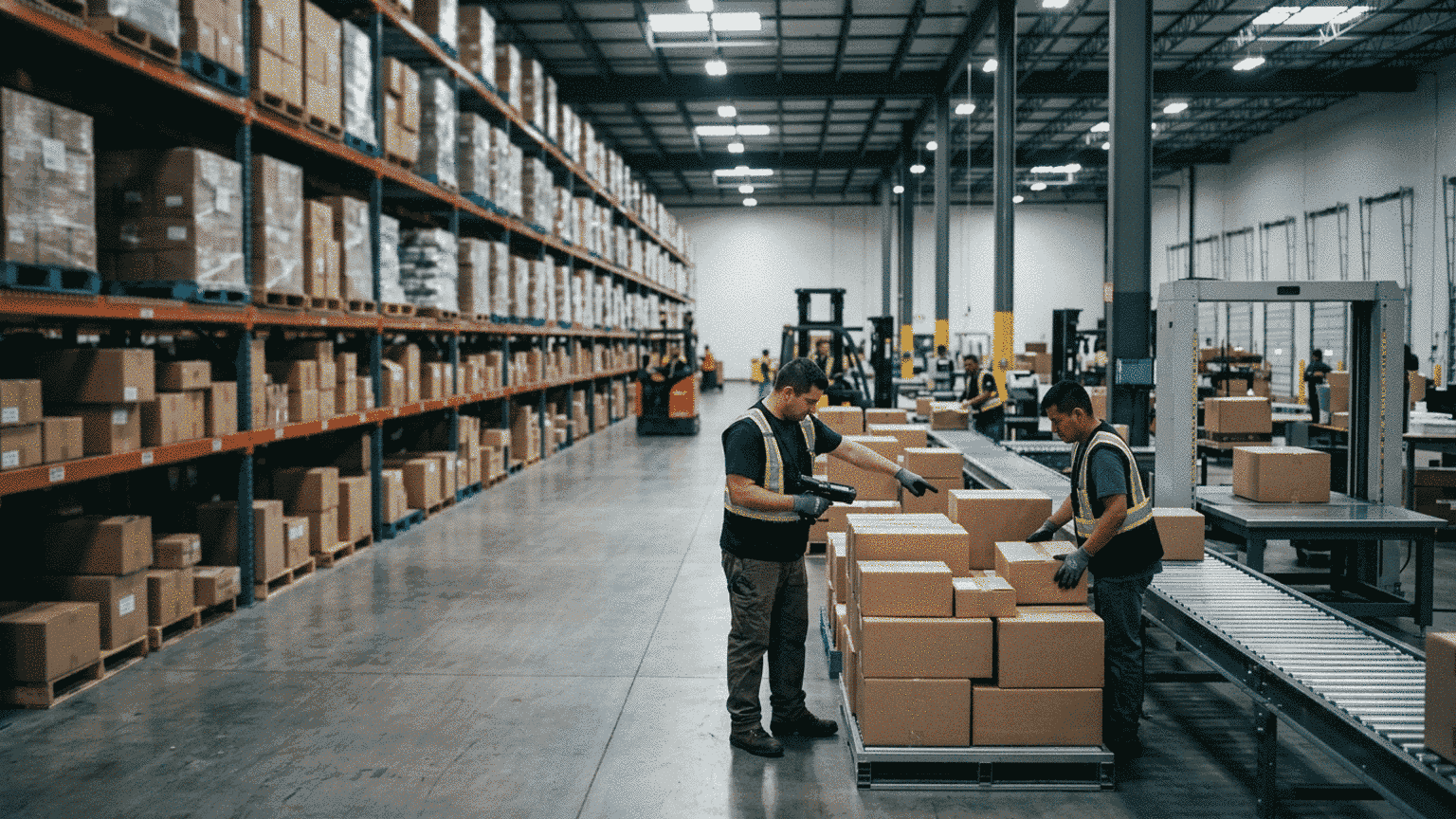
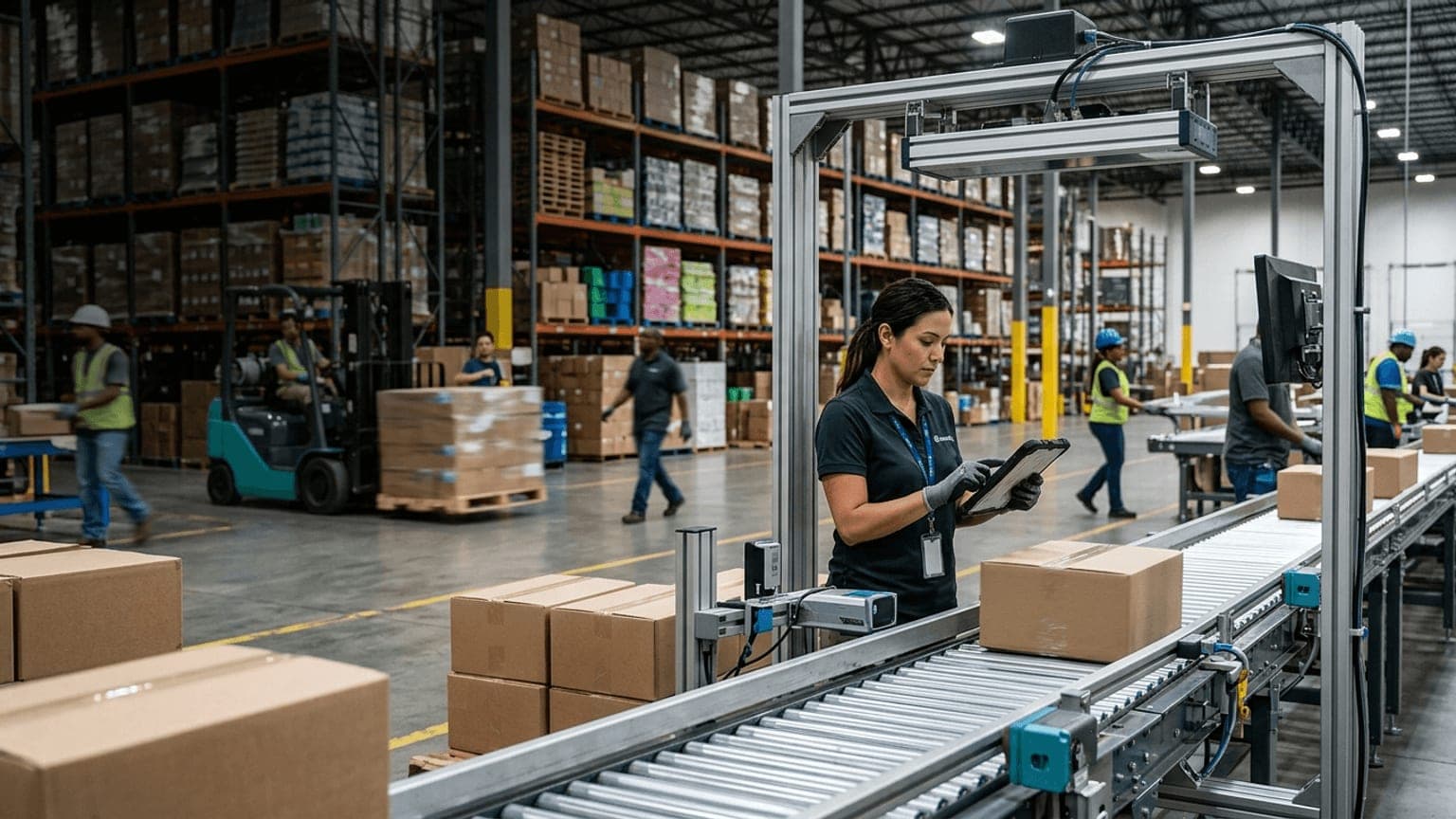
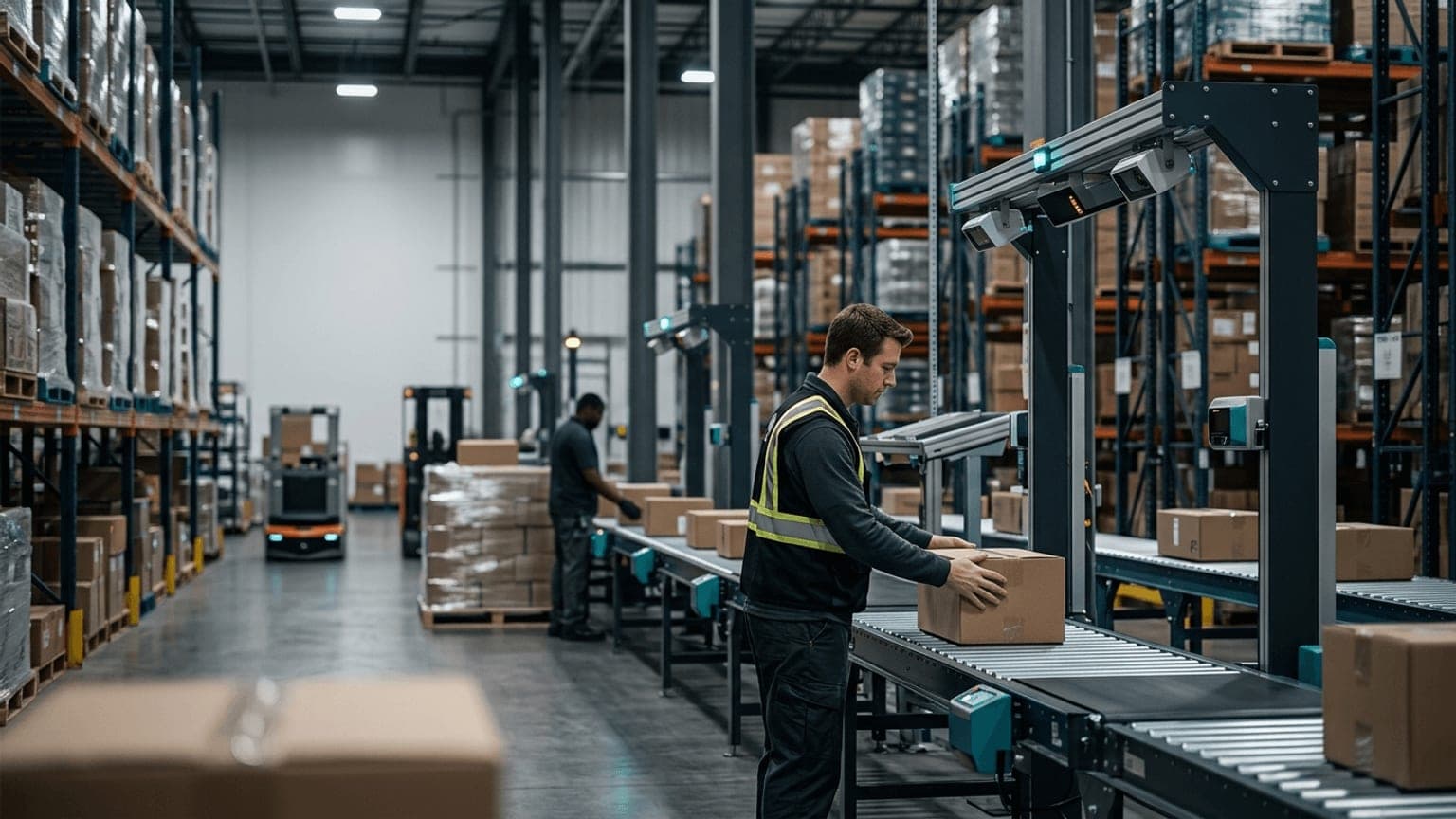
Freight Dimensioner Placement: Where to Capture Measurements for Better Billing and Throughput
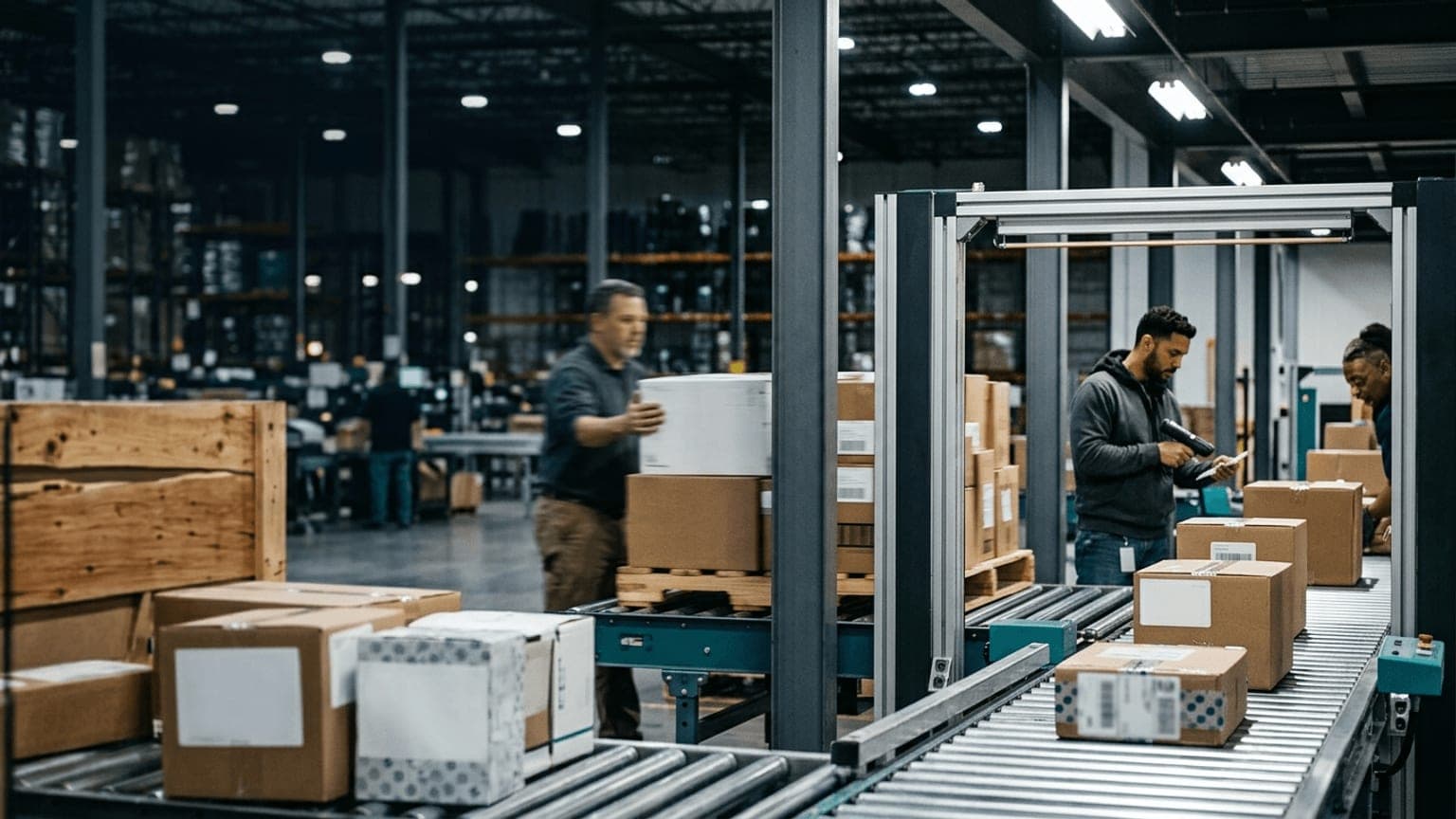
Freight dimensioner placement is one of the most important buying decisions a warehouse makes before it ever compares hardware specs.
The same dimensioning system can create very different results depending on where it sits in the workflow. Put it too early, and the freight may change before billing. Put it too late, and the dock may already be congested. Put it in a place where operators cannot scan the right identifier, and the measurement may be accurate but commercially useless.
For buyers, the question is not only "which freight dimensioner should we buy?" It is "where will the measurement become a reliable operating record without slowing the warehouse down?"
Start with the decision the freight dimensioner must support
Placement should begin with the business decision that depends on the measurement.
A freight dimensioner may support:
- customer billing for 3PL or freight forwarding work
- carrier rating and dimensional weight checks
- LTL class validation
- shipment audit and reclassification defense
- pallet storage billing
- load planning and trailer utilization
- claims evidence for damaged or reworked freight
- item master cleanup for recurring SKUs
Those decisions do not all happen at the same moment.
If dimensions drive customer billing, the scan needs to happen after the load is complete enough to bill. If the goal is storage planning, measuring at receiving may be useful before the pallet ever reaches reserve. If the warehouse needs carrier dispute evidence, the scan should sit close to the shipment record and include photos, weight, timestamp, and operator context.
The placement is wrong when the measurement is captured before the freight reaches the state that the business actually charges, ships, stores, or disputes.
Compare the common placement options
Most freight dimensioner projects land in one of five areas. Each can work, but each creates different tradeoffs.
Receiving dock
Receiving placement works when inbound dimensions support putaway, storage planning, item master cleanup, or vendor accountability. It is useful for operations that want to profile freight before it disappears into the building.
The risk is that inbound freight may not be in its final billable form. A pallet may be broken down, repacked, combined, inspected, or placed on hold. If the downstream billing record needs the final outbound load, receiving data may only be a starting point.
Quality hold or exception area
This is a good fit when the warehouse frequently measures damaged, irregular, short, over, or reworked freight. It keeps abnormal freight away from the main dock flow and gives supervisors time to capture a stronger record.
The risk is volume. If too much ordinary freight gets routed to an exception area, the team may create a second bottleneck.
Staging area
Staging works when outbound shipments are assembled before tender, especially for pallets, crates, or mixed freight. The load is often closer to its final shipping state, and identifiers may already exist.
The risk is congestion. A dimensioning station in a busy staging lane must be designed so it does not block lift traffic or force operators to reposition freight twice.
Pack-out or value-added service area
This can work for operations that build, wrap, label, or consolidate freight before shipping. The measurement happens after the work that changes dimensions.
The risk is ownership. If pack-out teams see measurement as a billing task owned by someone else, compliance can drift unless the workflow is built into the station.
Outbound dock
Outbound placement works when the final shipment state matters most. It is useful for freight billing, carrier audit, and pre-tender validation.
The risk is timing. If the dock is already under cutoff pressure, measuring at the last possible moment can create missed loads unless the station is fast, easy to scan, and supported by a clear exception path.
Make the identifier sequence part of the buying decision
A freight dimensioner does not create value by measuring an anonymous pallet. It creates value when the measurement attaches to the right record.
Before buying, define the scan sequence:
- What does the operator scan first?
- Does the workflow use pallet ID, shipment ID, order ID, BOL, PRO, receipt, or customer reference?
- What happens when the label is missing or damaged?
- Can the operator correct a mismatch without leaving the station?
- Where does the measurement record go after capture?
This is where many projects get harder than expected. The equipment may be accurate, but the warehouse still needs a clean way to connect dimensions, weight, photos, and timestamps to the system that owns the transaction.
If your team is mapping that data flow, the WMS integration playbook for dimensioning data is a useful companion. Placement and integration should be designed together, not treated as separate workstreams.
Test the placement with freight that causes problems
Do not validate placement with only clean, square pallets.
Use a test set that includes:
- wrapped pallets with overhang
- tall mixed loads
- crates and irregular freight
- freight that needs rework before shipping
- partial pallets that are later consolidated
- shipments with missing or damaged labels
- freight that commonly receives carrier adjustments
- loads handled by different operator roles and shifts
The goal is to learn where the workflow breaks. Does the forklift path become awkward? Does the operator need to turn the pallet twice? Does the identifier exist at that moment? Does the station have enough room for the freight profile? Does the record still match the shipment after consolidation?
A good pilot should make these issues visible before purchase. A bad pilot proves only that easy freight can be measured in easy conditions.
For larger loads, Wilkins Pallet Dimensioner is built around pallet and freight dimensioning workflows. For carton-heavy operations, Wilkins Parcel Dimensioner may be the better fit. The right product depends on where the measurement sits and what freight profile drives the cost.
Design the exception path before go-live
Every placement decision needs an exception path.
Common exceptions include:
- no readable barcode
- multiple IDs on the same pallet
- damaged freight
- unstable or leaning loads
- overhang beyond the expected footprint
- weight mismatch
- dimensions outside expected tolerance
- scan accepted but not posted to the WMS or billing system
If the exception path is unclear, operators will improvise. Some will bypass the station. Some will measure manually. Some will write notes in places the billing team never sees.
The buying requirement should be specific: operators need a way to hold, rescan, annotate, approve, or route the freight without turning the dimensioner into a dead end.
This is especially important when measurement supports revenue. A warehouse can tolerate a small operational delay more easily than it can tolerate a billing record nobody trusts.
Watch the throughput impact, not only the measurement speed
Dimensioner demos often focus on scan time. That matters, but it is not the whole workflow.
Buyers should measure:
- travel time to the station
- wait time during peak dock periods
- scan and identifier time
- repositioning time for forklifts or pallet jacks
- exception handling time
- supervisor review time
- downstream time saved in billing, audit, or claims
A station that measures quickly can still slow the building if it is placed in the wrong traffic pattern. A slightly slower station can create better ROI if it removes manual billing cleanup, carrier disputes, or repeated remeasurement.
The best placement is the one that improves the full workflow, not the one that looks fastest in isolation.
What a strong freight dimensioner placement plan includes
Before approving a purchase, ask the vendor and internal project team for a placement plan that answers:
- which workflow owns the measurement
- which operator role performs the scan
- which identifier starts the record
- where exceptions are routed
- how dimensions, weight, and photos attach to billing or shipment records
- what freight profiles are supported at the station
- how the station fits forklift and pallet-jack movement
- what happens during peak dock hours
- how supervisors audit skipped or failed scans
If those answers are vague, the project is not ready for rollout. The warehouse may still buy the right equipment and get weak results because the measurement never lands in the right operational moment.
Conclusion
Freight dimensioner placement is a workflow decision before it is an equipment decision.
The right station location depends on when freight becomes billable, when identifiers are available, where operators can scan without blocking flow, and where the resulting record will be trusted by billing, operations, and carrier audit teams.
Sizelabs helps warehouse teams design dimensioning workflows around the point where accurate dimensions matter most. If you are comparing options, start with the freight dimensioner guide, then pressure-test placement against the freight, systems, and dock constraints your team handles every day.
Standards to use in acceptance testing
- Use the current NIST Handbook 44, including Section 5.58 for multiple-dimension measuring devices, when measurements will determine freight, storage, or postal charges.
- Verify a claimed legal-for-trade model in the NCWM NTEP Certificate of Conformance database. Certification claims should match the exact device, application, software/version conditions, and active status — not only a product family name.