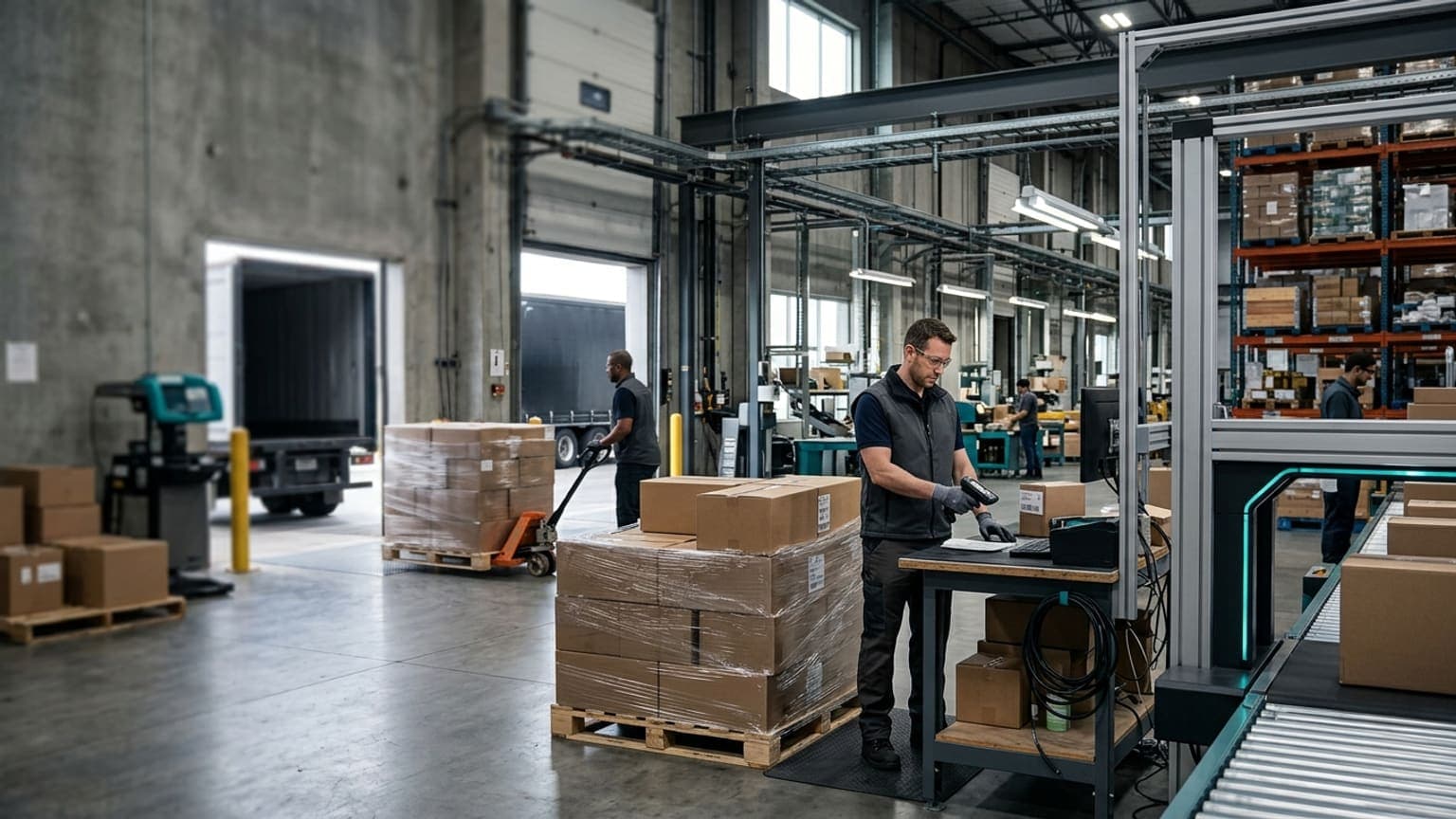
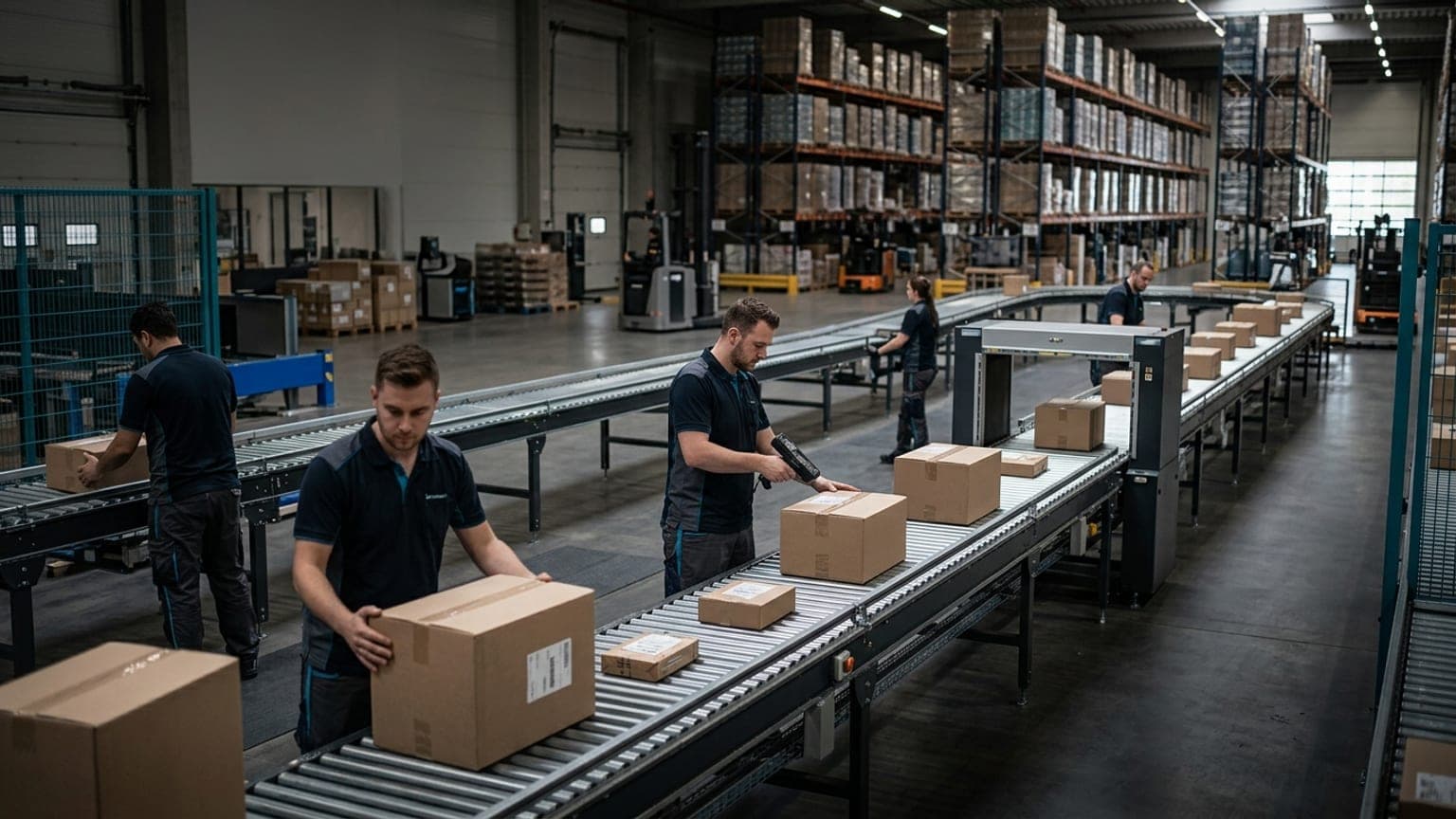
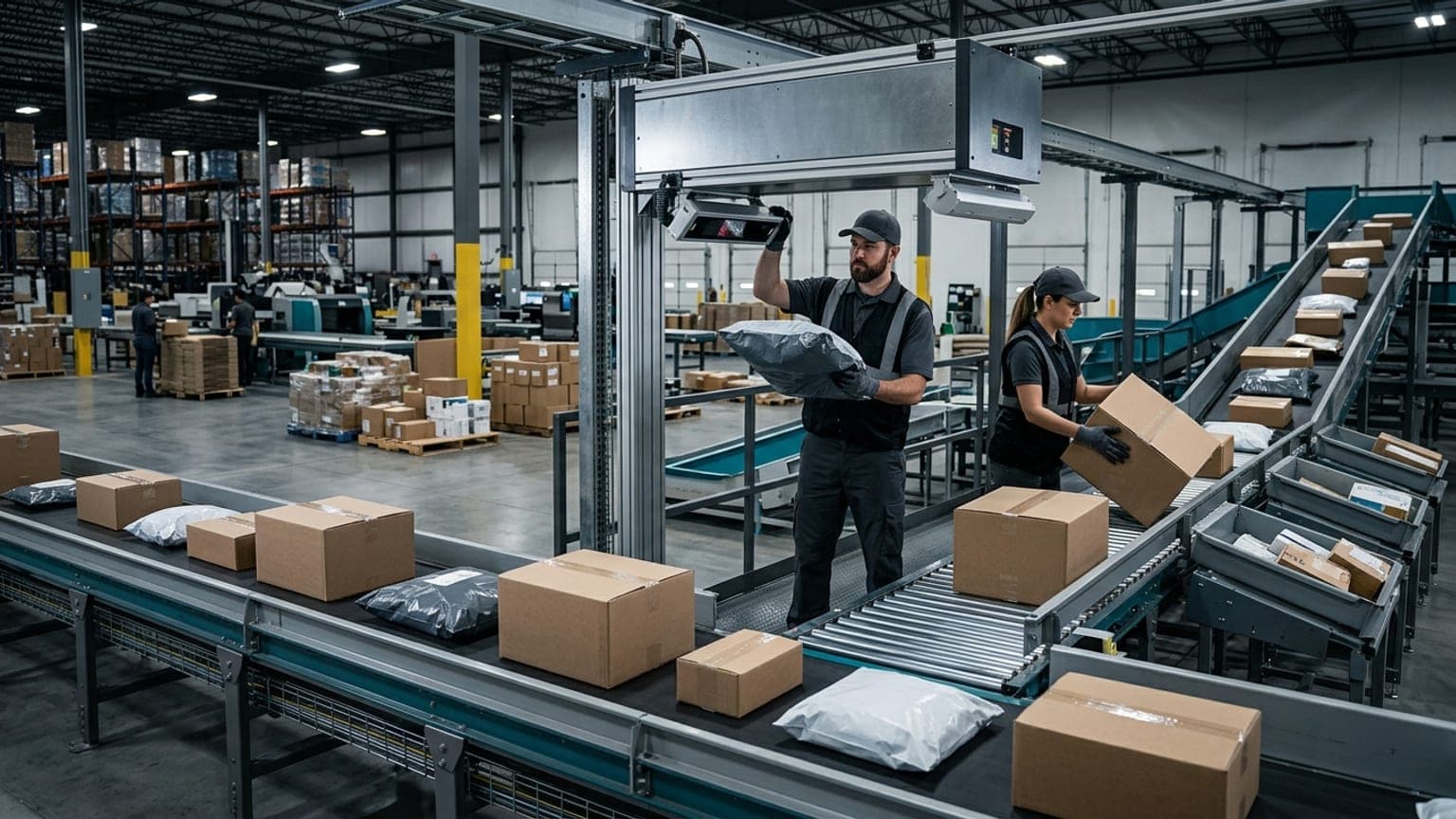
Warehouse Shipping Cutoff Management: How to Hit Carrier Deadlines Without Chaos
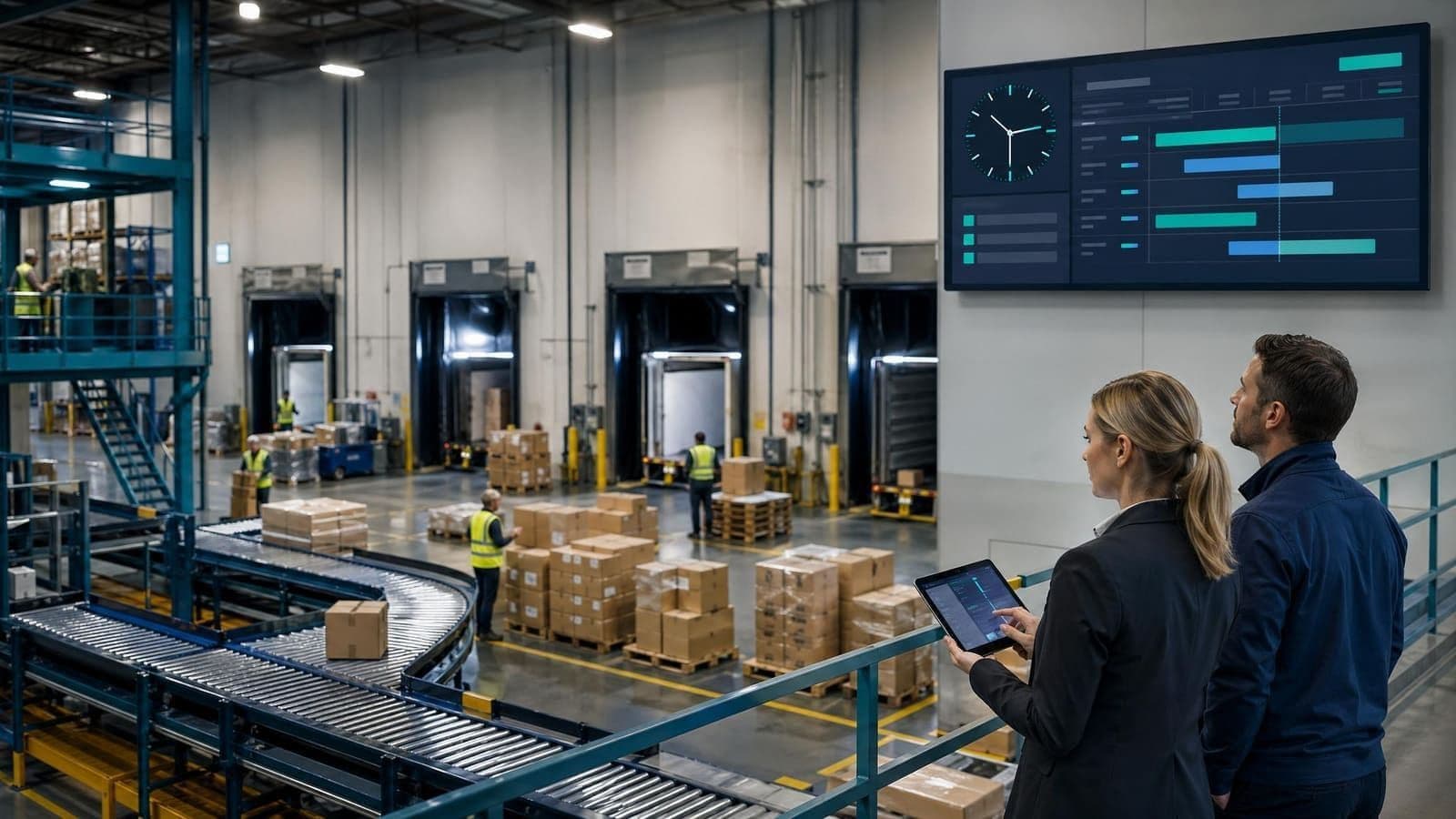
Warehouse shipping cutoff management is where a good outbound plan either holds together or collapses in the last hour.
Most warehouses do not miss carrier deadlines because one person forgot the pickup time. They miss them because dozens of small delays stack up: orders are released too late, difficult picks stay hidden, pack stations get flooded, staged cartons are mixed by carrier, and exceptions reach supervisors when there is no time left to recover.
The result is familiar. The team rushes, overtime rises, trailers wait, customer orders roll to the next day, and managers spend the afternoon asking which shipments are truly at risk.
A better cutoff process makes risk visible earlier. It gives the team clear rules for which work moves first, where completed freight belongs, and when to escalate before the dock turns into a scramble.
Start by mapping the real shipping cutoff, not just the pickup time
A carrier pickup time is not the same as the operational cutoff.
If a parcel carrier arrives at 5:00 p.m., the warehouse may need labels closed by 4:15, cartons staged by 4:30, trailer loading started by 4:35, and exception resolution finished even earlier. For LTL, retail, or multi-carrier operations, the timeline can be more complicated because routing, documentation, appointment windows, and trailer close procedures all create their own deadlines.
A useful cutoff map should include:
- order release deadline
- pick completion target
- pack or manifest deadline
- label close time
- staging deadline
- trailer or parcel container loading deadline
- carrier pickup time
- final exception escalation point
This map usually exposes the real problem. The warehouse may think it has until 5:00, but the last safe time to release a complex order might be 2:30. If that order enters the wave at 3:45, the team is not running late because people are slow. The plan was late before the first pick started.
For high-volume parcel operations, this is also where accurate shipment data matters. If carton dimensions, weight, or service-level information is captured late or corrected manually, the cutoff risk moves downstream into manifesting and audit. That is why many teams combine better cutoff discipline with cleaner parcel dimensioning system workflows at the point where shipment records are finalized.
Release outbound work by deadline risk
Many warehouses release orders by age, batch, wave, or customer priority. Those rules matter, but they are not enough for cutoff management.
A cutoff-aware release plan should also consider:
- carrier pickup window
- service level commitment
- pick path complexity
- whether the order needs value-added services
- pack time and carton requirements
- historical exception rate for the SKU, customer, or zone
- whether the order requires special documents or labels
- trailer, route, or parcel container assignment
The goal is not to make every order move earlier. The goal is to pull risk forward.
For example, two orders may both ship today. One is a single-SKU parcel order picked from a clean forward location. The other is a multi-line order with items in reserve, a hazmat document check, and a same-day parcel cutoff. If both orders are released at the same time, the second one is already more dangerous. It needs earlier visibility, not equal treatment.
A practical release rule might look like this:
- Low-risk orders: normal wave timing
- Medium-risk orders: release earlier when tied to a same-day carrier window
- High-risk orders: release first, monitor actively, and flag exceptions immediately
- At-risk orders inside the cutoff window: supervisor review before release, hold, split, or service-level change
This prevents the operation from discovering difficult work only after easy orders have consumed the best labor hours.
Keep staging organized by carrier decision, not by available floor space
Cutoff management often breaks after picking and packing are complete.
Orders are technically finished, but they are staged in the wrong lane, mixed with another carrier, missing scan confirmation, or blocked behind freight that leaves later. When the carrier arrives, the team has to search, re-sort, or reload under pressure.
A good staging process should make the next decision obvious. At minimum, separate completed freight by:
- carrier
- service level
- route or trailer
- parcel container, pallet, or gaylord
- appointment or pickup window
- exception status
The staging area should also make late freight visible. If an order belongs to the 4:30 pickup and it is not in the expected lane by 4:00, someone should know. Waiting until the driver checks in turns a process gap into an emergency.
This is one reason outbound staging deserves its own discipline, separate from general floor organization. A clean staging area is not enough. It has to communicate priority, readiness, and risk. The same idea applies to broader warehouse staging area management: space only helps when it supports the next operational decision.
Build escalation rules before the last hour
Supervisors should not have to invent the recovery plan every afternoon.
Clear escalation rules help the team react while there is still time to protect the cutoff. Those rules should define when to:
- move labor from slower zones to cutoff-critical work
- split a wave so urgent orders leave first
- pause low-priority replenishment or indirect tasks
- hold orders that cannot realistically make the carrier window
- upgrade, downgrade, or change service level with approval
- move exceptions to a dedicated problem-solving station
- notify customer service or transportation before the miss happens
The key is to escalate based on leading indicators, not only missed deadlines.
Useful triggers include:
- pick completion is behind target by a set percentage
- pack queue exceeds a defined time threshold
- high-priority orders remain unreleased inside the risk window
- too many exceptions are waiting for supervisor review
- staged volume does not match expected trailer or carrier load progress
- manifest errors are increasing near pickup time
A simple rule is better than a perfect dashboard nobody uses. If the pack queue for the 5:00 parcel cutoff exceeds 30 minutes after 3:45, the supervisor should not need permission to rebalance labor or isolate exceptions.
Track shipping cutoff KPIs weekly
Cutoff problems feel obvious when they happen, but they are hard to fix without measurement.
Start with a small set of KPIs that show whether the operation is gaining control:
- Missed cutoff rate: percentage of orders or shipments that miss the intended carrier window
- At-risk order count: orders still open inside the defined risk window
- Late-stage exception rate: exceptions discovered after pick completion or during manifest
- Pack queue time before cutoff: how long orders wait at pack during the final push
- Trailer or container close accuracy: whether the expected freight was actually loaded and closed on time
- Cutoff-related overtime: labor added because outbound timing broke down
Review these numbers by carrier, customer, zone, shift, and order profile. The pattern matters more than the headline average.
If missed cutoffs are concentrated in one carrier lane, the issue may be staging or pickup timing. If they are concentrated in one pick zone, the release plan or replenishment process may be the cause. If errors spike at manifest, the team may need cleaner shipment data or a stronger audit workflow.
The best cutoff reviews ask two questions:
- When did the shipment first become at risk?
- What signal should have made that visible earlier?
That turns daily firefighting into process improvement.
Conclusion: cutoff control is an outbound system, not a last-minute sprint
Warehouse shipping cutoff management works best when the team stops treating the carrier arrival as the starting point for urgency.
The cutoff is shaped much earlier by order release, pick complexity, pack capacity, staging discipline, shipment data quality, and escalation rules. When those pieces are visible, supervisors can act before the final hour turns chaotic.
If your team is missing carrier windows, working late to close trailers, or finding shipment errors too close to pickup, Sizelabs can help you look at the outbound data and automation points that make cutoff performance easier to control.