Shipping Dimensioning Workflow Placement: Where Buyers Should Capture Parcel Data
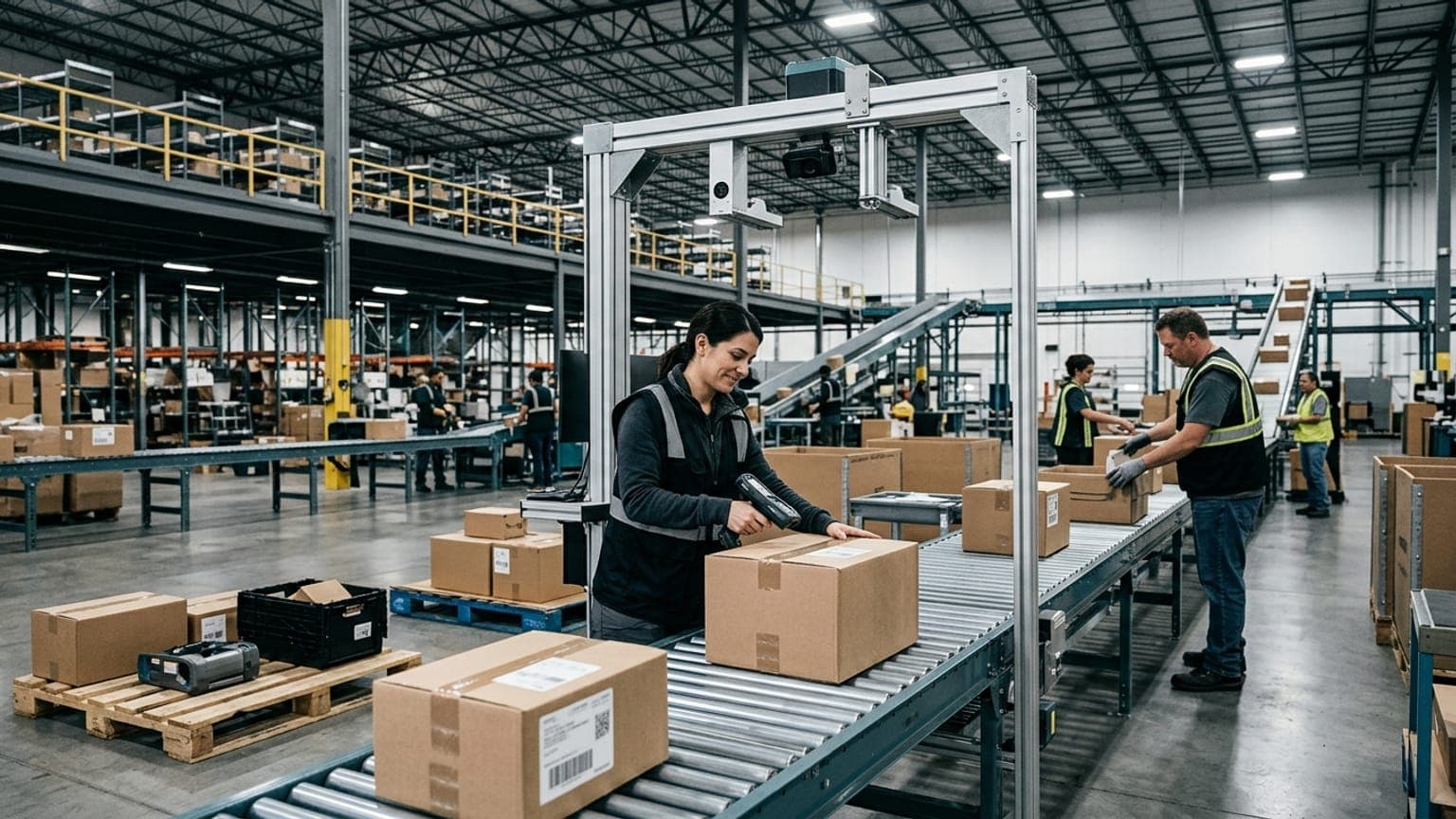
A shipping dimensioning workflow should be placed where parcel data can still change the outcome. Capturing dimensions after the label is printed may help invoice research. Capturing them before rating may prevent a billing surprise. Capturing them only at an exception station may protect throughput, but it can miss routine packages that quietly create dimensional weight exposure.
That is why placement is a buying decision, not a layout detail.
Warehouse buyers often compare dimensioners by accuracy, price, certification, and integration options. Those matter. But the return depends on where the measurement happens, which shipments pass through the control point, and whether the data reaches the system that makes the next decision.
Here is a practical way to choose the right placement before buying or expanding a parcel dimensioning system.
Start with the decision the shipping dimensioning workflow must improve
Do not start with "we need a dimensioner at shipping." Start with the decision that currently suffers because dimensions are late, missing, or unreliable.
Common decisions include:
- rating the shipment before label creation
- choosing the right service level or carrier account
- validating dimensional weight exposure before manifest close
- detecting a carton that does not match the order profile
- feeding actual package dimensions back into cartonization rules
- creating customer billing records for 3PL or fulfillment work
- supporting carrier invoice audit and dispute research
- storing shipment proof with images, identifiers, timestamps, weight, and dimensions
- routing oversize, overweight, damaged, or questionable packages into exception review
Each decision has a different timing requirement.
If the goal is better pre-shipment rating, the workflow must capture dimensions before the shipping platform commits the label. If the goal is invoice audit evidence, a measurement record before pickup may be enough. If the goal is cartonization improvement, the system needs to connect the actual carton used back to order, SKU, and packaging data.
A vague requirement like "capture parcel dimensions" is too weak. A buyer-ready requirement sounds more like this:
"Capture dimensions, weight, image evidence, carton ID, tracking number, operator, and timestamp before manifest close for all parcels above defined billing-risk thresholds, then update the shipping platform and audit record without manual rekeying."
That sentence tells vendors where the workflow has to work.
Option 1: Capture dimensions at pack-out
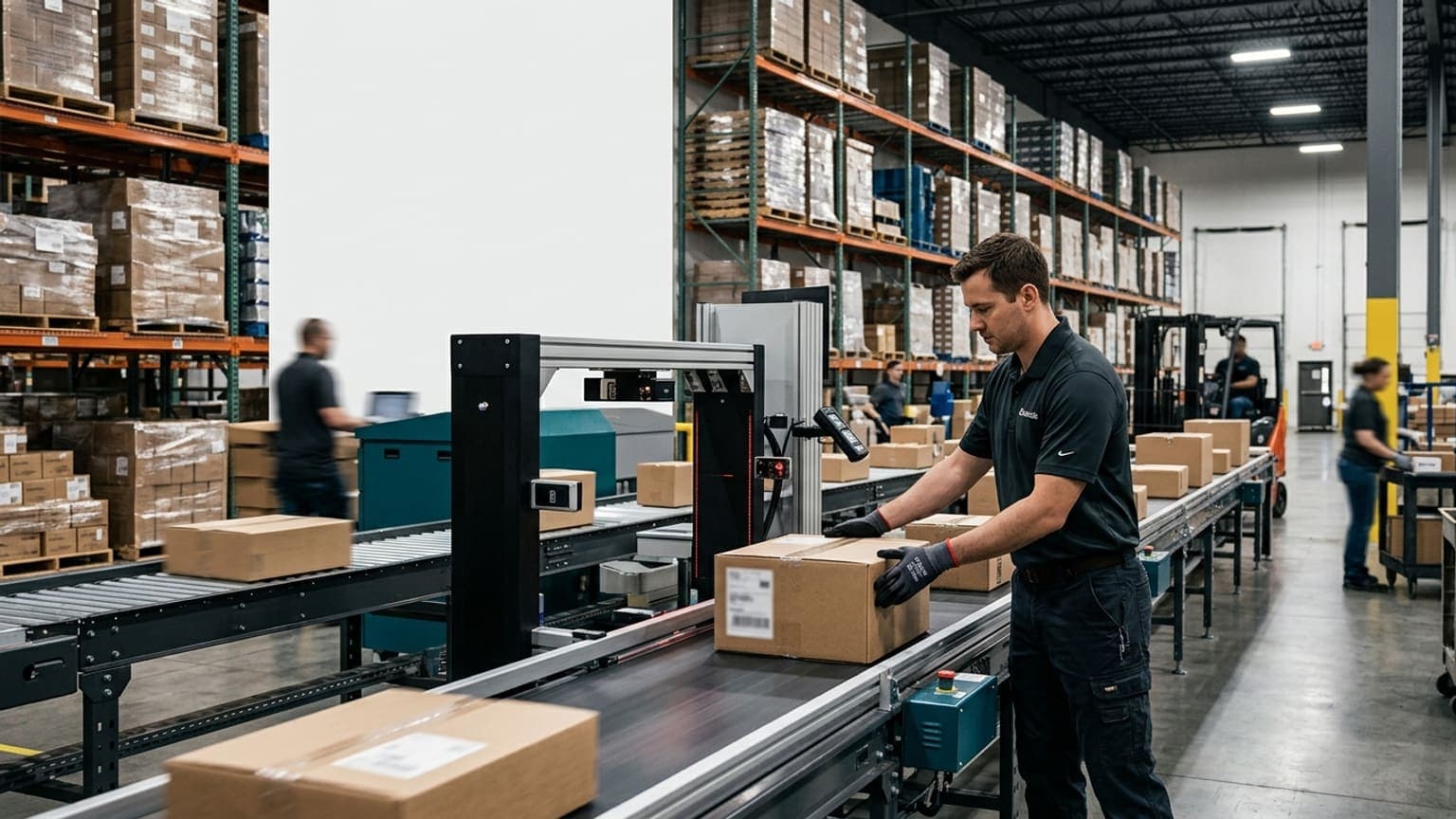
Pack-out placement is the strongest fit when dimensions need to influence rating, labeling, carton selection, shipment proof, or customer billing before the package leaves the station.
It works best when:
- labels are printed after final carton selection
- operators already scan order, carton, SKU, or tracking identifiers at the station
- the package can be corrected before seal or release
- dimensional weight adjustments are tied to packed carton decisions
- customer billing requires a complete shipment record
- the warehouse wants images of packed contents, label face, seal, or package condition
The main advantage is timing. If a carton is too large, the label can be rated with better data or the package can be repacked before it enters outbound staging. If the actual weight or dimensions do not match expectations, the order can move into an exception queue while the operator still has the carton in front of them.
The tradeoff is station design. Pack-out measurement adds a physical step to a place that is already busy. Buyers should ask:
- how many extra seconds does capture add to a clean parcel?
- does the operator have to lift, rotate, or reposition the package?
- can the system handle polybags, glossy cartons, dark packaging, and damaged boxes?
- does the station have room for scale, camera, scanner, label printer, and dunnage?
- what happens when the package is outside the measurable range?
- can clean parcels move without supervisor intervention?
Pack-out placement is often the right answer when the business value is prevention. It is not always the right answer when volume is very high and only a small percentage of packages create billing risk.
Option 2: Capture dimensions at manifest audit
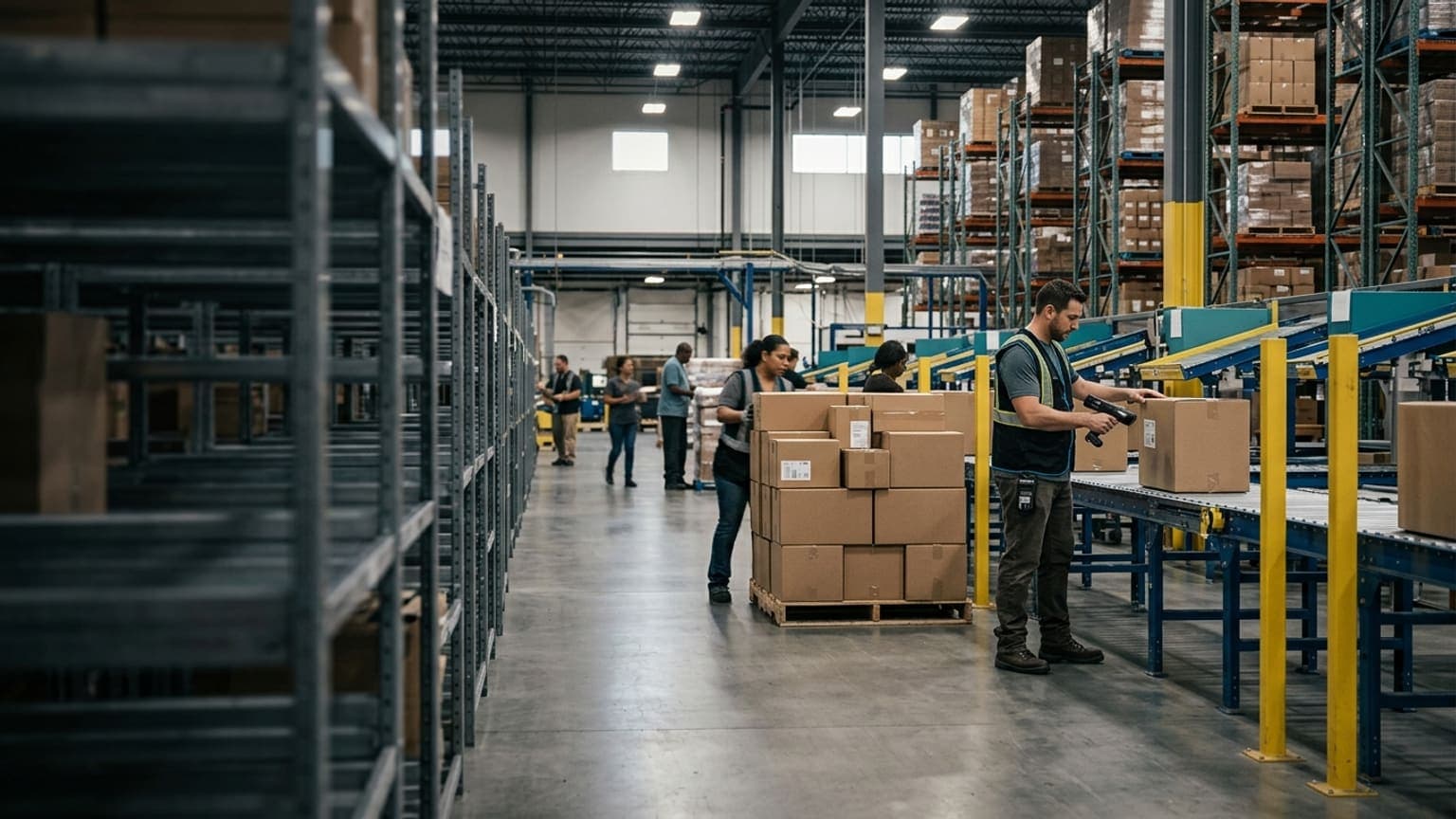
A manifest audit station measures parcels after packing but before carrier pickup. It is useful when the warehouse needs a second control point without changing every pack station.
It works best when:
- the team wants to audit selected shipments before pickup
- labels are already created, but incorrect dimensions still create invoice or service risk
- the warehouse needs proof records for high-value, high-dispute, or customer-sensitive shipments
- supervisors want one place to review overweight, oversize, missing-data, or suspicious parcels
- the operation wants to start with a lower-disruption pilot before expanding upstream
The advantage is focus. A manifest audit workflow can target risky packages instead of forcing every operator through the same process. For example, the warehouse may audit packages above a dimensional weight threshold, first shipments for new customers, parcels with manual overrides, or accounts with recurring carrier adjustments.
The tradeoff is that some decisions may already be locked. If the label has been printed and the carrier service has been selected, the audit may catch a problem but still require a void, reprint, repack, or supervisor approval. That can be acceptable if the cost of missing the issue is high enough. It is less effective if the goal is smooth real-time rating for every carton.
For buyers, the key question is simple: when the audit finds a problem, can the team still do something useful before the carrier pickup?
If the answer is yes, manifest audit can be a strong placement. If the answer is usually "we find out too late," the workflow belongs earlier.
Option 3: Capture dimensions at conveyor induction
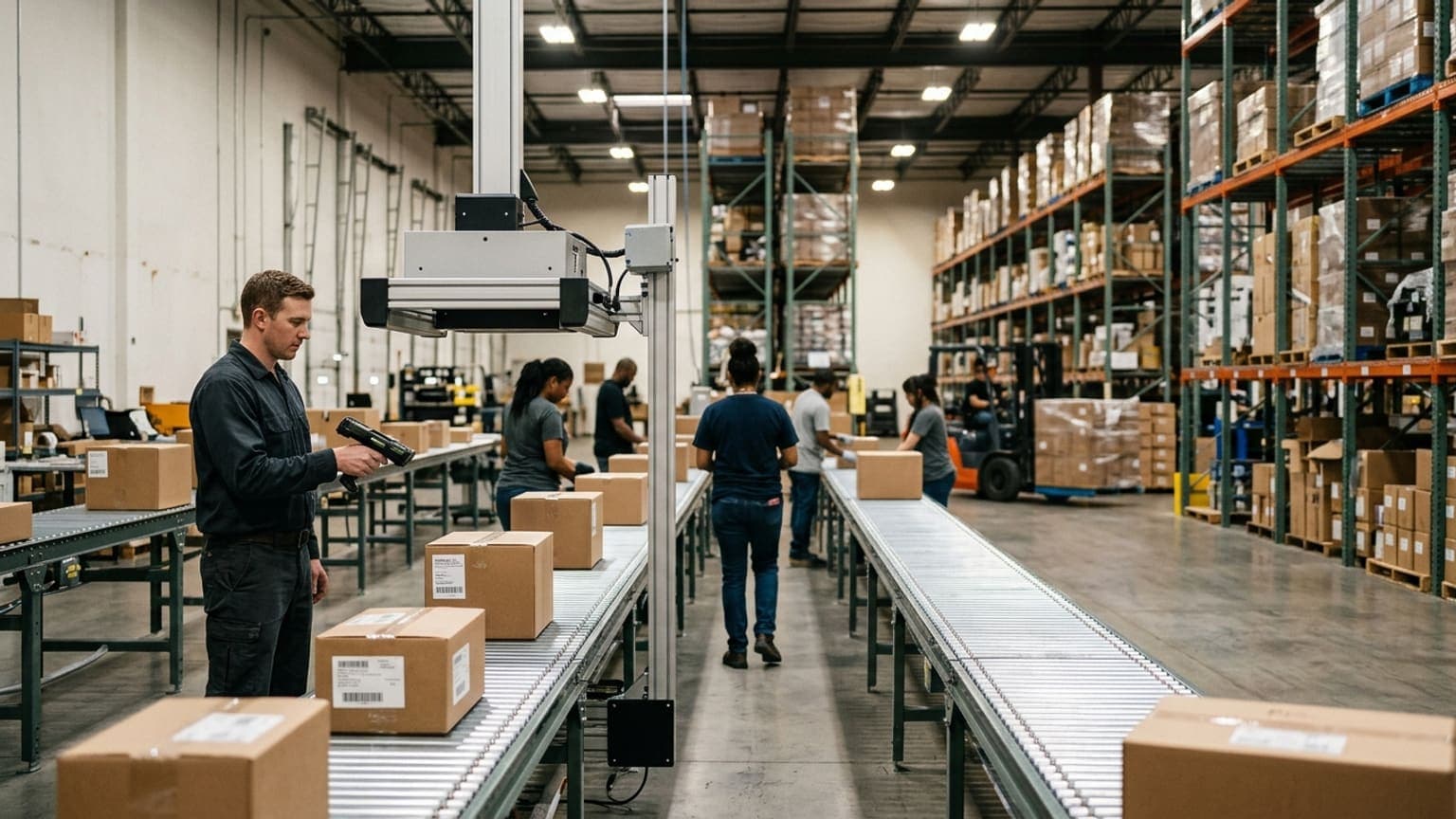
Conveyor or in-motion placement fits high-volume parcel operations where packages move through a controlled stream and the business needs consistent measurement without a manual station touch.
It works best when:
- parcel volume is too high for manual station capture
- cartons are relatively conveyable and label orientation can be controlled
- dimensions must be tied to tracking, carton, or shipment IDs at speed
- the operation needs audit coverage across most outbound flow
- the process can manage rejects, gaps, spacing, and unreadable identifiers
The advantage is throughput. A well-designed in-motion workflow can capture a large share of parcel volume without asking every packer to pause for measurement.
The tradeoff is exception handling. Conveyors move quickly, but billing and shipment records still need clean identifiers. Buyers should define what happens when a barcode is unreadable, a carton is damaged, a polybag changes shape, a package is too close to the next item, or dimensions cannot be trusted.
Requirements should cover:
- scan-to-measurement matching
- minimum package spacing
- reject lane or exception routing
- remeasurement process
- image capture needs
- data latency to the shipping system
- handling for irregular parcels and non-conveyables
- what percentage of outbound volume is expected to bypass the conveyor
In-motion capture can be powerful, but only if the exception workflow is designed with the same care as the clean flow. Otherwise, the system measures the easy packages and leaves supervisors to reconcile the hard ones manually.
Option 4: Use an exception station for targeted measurement
An exception station measures only the parcels that need review. It is usually the lowest-disruption option and can be a practical first step when a warehouse is not ready to redesign pack-out or conveyor flow.
It works best when:
- only a defined percentage of shipments create dimensioning risk
- supervisors already pull packages for review
- the warehouse needs proof for claims, adjustments, or customer billing questions
- irregular, oversize, damaged, or manually packed parcels need special handling
- the team wants better data before changing the main outbound process
The advantage is simplicity. The station can focus on high-risk work and capture a strong record: order ID, tracking number, dimensions, weight, image, reason code, owner, and release status.
The tradeoff is coverage. If the warehouse relies only on exception measurement, routine packages with bad dimensions may still leave cleanly and create invoice adjustments later. The station is only as strong as the trigger rules that send packages there.
Useful triggers include:
- dimensional weight above a defined threshold
- actual weight outside expected tolerance
- carton type changed at pack-out
- manual service override
- high-value order
- customer account with billing disputes
- package near carrier surcharge thresholds
- damaged, bulging, crushed, or irregular packaging
- missing or conflicting master data
- operator uncertainty or supervisor flag
An exception station works when the operation knows what risk looks like. If the team cannot define the triggers, it may need a broader measurement point first.
Define the data handoff before choosing equipment
Placement and integration are linked. A shipping dimensioning workflow is weak if the data is captured correctly but arrives too late, lands in the wrong record, or forces manual rekeying.
Before selecting a system, define the required handoff:
- which identifier creates the record: order, carton, shipment, license plate, tracking number, or package ID
- which system owns that identifier
- when dimensions and weight must be available
- whether images are stored with the measurement record or linked externally
- whether the shipping platform, WMS, TMS, ERP, billing system, or BI layer needs the data
- how duplicate scans, reprints, voided labels, repacks, and remeasurements are handled
- whether manual edits require reason codes and audit logs
- how exceptions prevent a package from being loaded by mistake
This is where many projects break. The dimensioner may measure accurately, but the warehouse still loses value because transportation cannot see the record, finance cannot retrieve evidence, or operators have to type values into a second screen.
If you are writing requirements, pair the placement decision with the warehouse dimensioning system RFP and the dimensioning system integration checklist. The RFP should require proof that the data reaches the right system at the right time.
Pilot placement with real outbound scenarios
A demo with clean cartons is not enough. The pilot should test the placement against the work that creates cost.
Include:
- small, medium, large, and borderline surcharge packages
- cartons, polybags, tubes, and irregular packages if they are part of the real mix
- label reprints, voids, repacks, split shipments, and service changes
- packages with missing or conflicting identifiers
- peak-hour waves near carrier cutoff
- customer-billed shipments
- carrier adjustment research scenarios
- exception routing and release approval
- operator bypass attempts
- data retrieval by order, tracking number, customer, carrier, and date
Score the pilot on more than measurement accuracy. Measure operator touches, added seconds per parcel, percentage of shipments with complete records, exception aging, data latency, remeasurement rate, bypass rate, and whether invoice or customer-service teams can retrieve the record later.
The right placement should make the business process cleaner. It should not simply add another checkpoint that supervisors have to manage by memory.
Choose the placement that can change the outcome
The best shipping dimensioning workflow is the one that captures parcel data early enough to improve the decision and close enough to the physical package to keep the record trustworthy.
Use pack-out when prevention and pre-label decisions matter most. Use manifest audit when targeted review before pickup is enough. Use conveyor induction when volume requires broad automated capture. Use an exception station when the risk is concentrated and the triggers are clear.
Sizelabs helps warehouse teams capture dimensions, weight, identifiers, images, and exception records at the point where the data changes shipping outcomes. If your team is deciding where dimensioning belongs, compare the workflow against Wilkins Parcel AI, Operator AI, and the dimensioner workflow finder before locking the station design.