Warehouse Slotting by Dimensions: How to Use Package Size, Velocity, and Travel Paths to Cut Rework
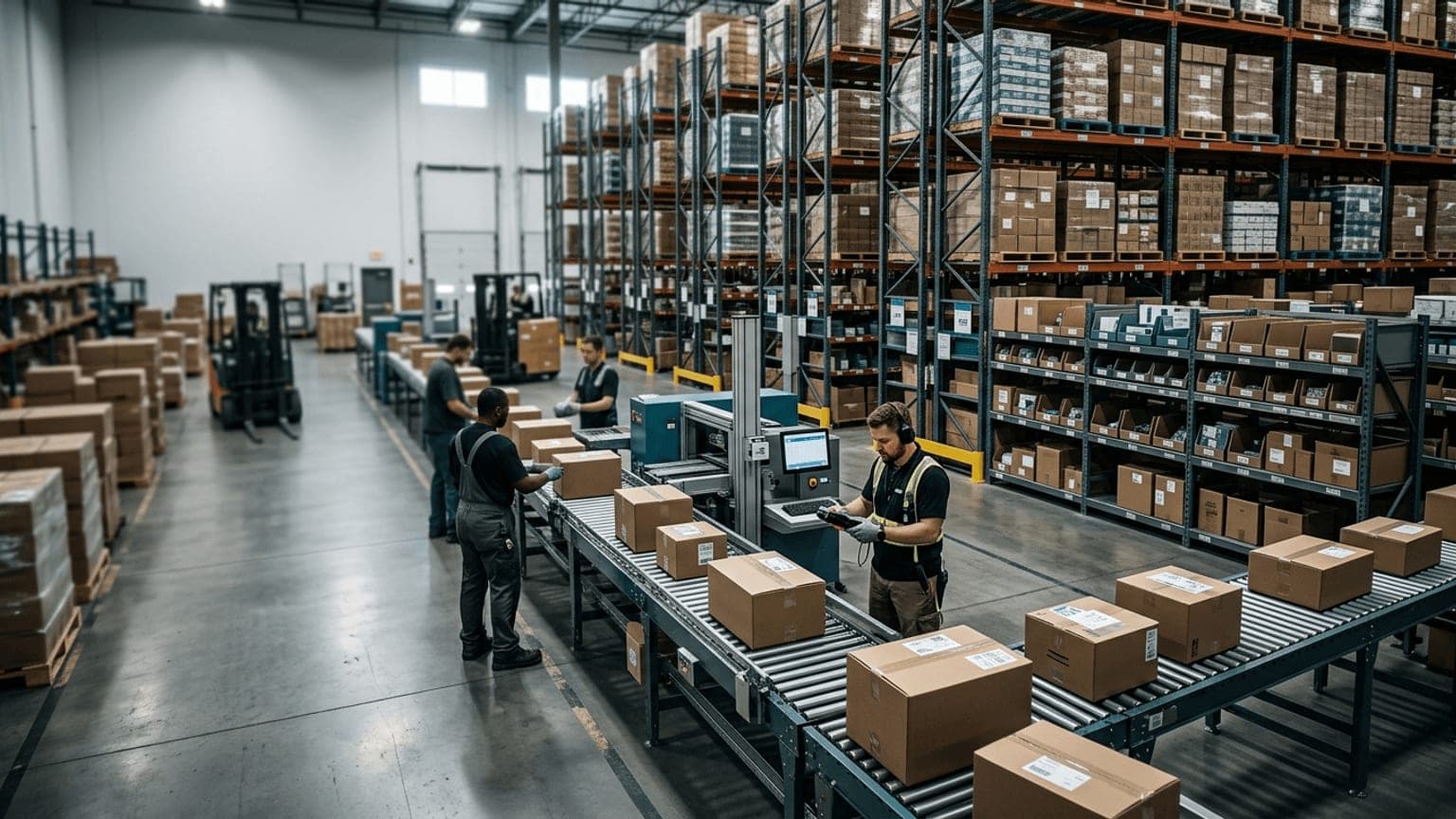
Warehouse slotting by dimensions is one of the fastest ways to reduce rework that looks small on paper and expensive in the warehouse.
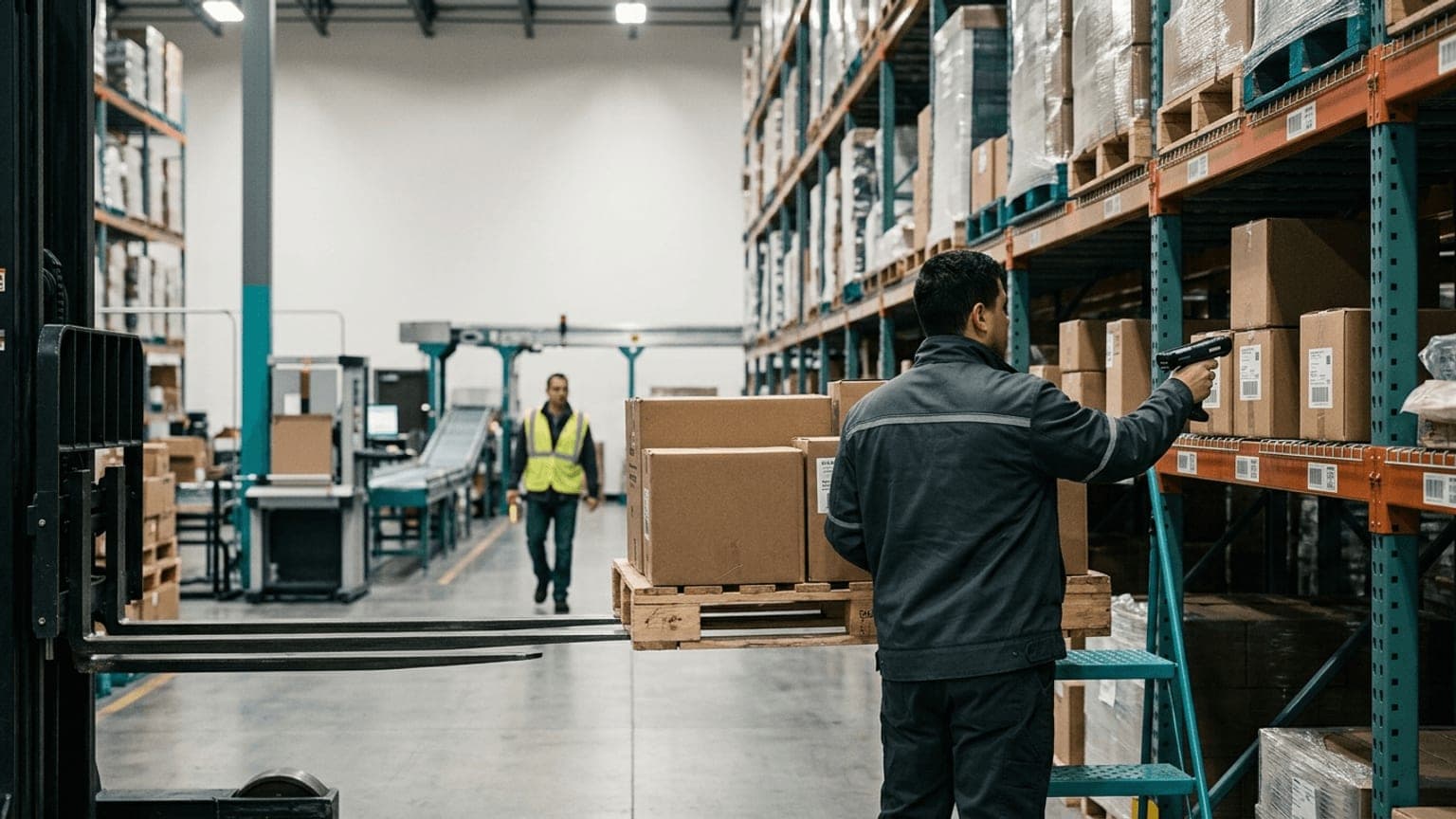
Most teams already know which SKUs move fast. Fewer teams know whether those SKUs are living in the right locations for their package size, pick frequency, and travel path. That is where slotting gets messy. A fast-moving item in a bad location creates extra walking, awkward handling, repacking, and avoidable touches. A large item in the wrong slot creates overflow and forces operators to improvise.
The goal is not to make the floor pretty. The goal is to make the next pick, pack, or replenishment decision easier.
Why warehouse slotting by dimensions matters
Slotting by velocity alone is incomplete. Two items can move at the same rate and still need different locations because one fits in a shallow shelf and the other needs pallet space, a lower bay, or a wider lane.
When dimensions are part of slotting, the operation can reduce:
- wasted travel to oversized or awkward locations
- repacks caused by forcing the wrong item into the wrong slot
- overflow into temporary staging
- mispicks caused by crowded, mixed-size locations
- replenishment churn in areas that are too small for the real inventory profile
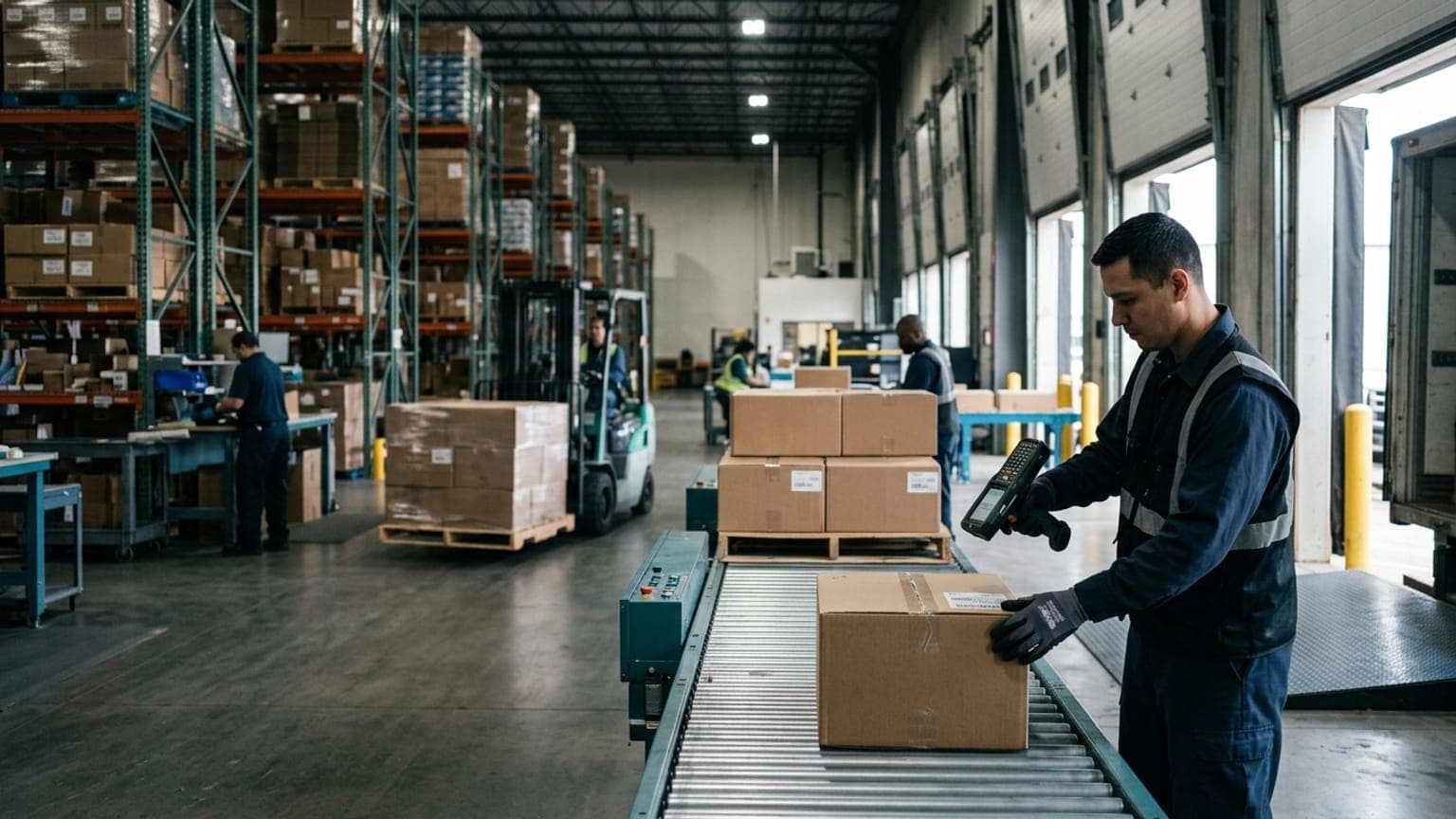
That matters even more when the warehouse handles mixed parcel, case, and pallet flow. A slot plan that works for one product family may break down completely once cartons, totes, and pallets share the same aisle.
If your team is already trying to use space better overall, the broader warehouse space utilization guide is a good companion. Slotting is the tactical version of that same problem.
Start with the real movement pattern
Good slotting starts with actual demand, not assumptions about what "should" be close together.
Build a simple view of the last 30 to 90 days:
- pick frequency by SKU
- order lines by SKU family
- carton, case, or pallet dimensions by item
- replenishment frequency
- overflow events
- items that trigger repacking or secondary moves
Then ask three questions:
- Which SKUs get touched most often?
- Which SKUs consume the most awkward space?
- Which SKUs create the most travel from where they are now to where they need to go?
That combination is more useful than velocity alone because it shows the operational cost of each item. A fast mover that is tiny may belong in a different slot family than a fast mover that is bulky, fragile, or hard to pick.
The point is to slot for the full path, not just the storage moment.
Build slot families instead of one universal rule
Most warehouse layouts work better when they use slot families. That gives operators a clear rule without forcing every SKU into the same logic.
Useful slot families often include:
- small parcel
- medium carton
- large carton
- tote or bin
- case pick
- pallet
- oversized or irregular
Within each family, velocity can drive the exact location. The family itself should be based on physical fit and handling behavior.
This matters because a location that is technically available may still be the wrong one. If an item fits only when it is angled, stacked awkwardly, or split across multiple spots, the slot is not actually solving the problem.
In a healthy layout, operators should know immediately whether an item belongs in the first pick face, a reserve location, or a special handling area. If the rules are fuzzy, the warehouse will quietly build its own workarounds.
Put high-frequency items on the shortest path
Travel is one of the biggest hidden costs in slotting.
The best slots are not just close to each other. They are close to the process that uses the item most often. That might mean:
- near the pick path for order fulfillment
- near pack-out for small, high-velocity items
- near the dock for fast cross-dock flow
- near replenishment lanes for products that cycle constantly
- near the quality or staging area for items that need inspection before release
If a product is large and fast-moving, the location may need to be close to both travel lanes and handling equipment. If a product is small but extremely frequent, the best slot may be a highly accessible pick face even if the reserve inventory lives elsewhere.
The rule is simple: the more often an item moves, the less friction it should face.
Use dimensions to reduce repack and overflow
One of the most overlooked benefits of slotting by dimensions is fewer repacks.
Repack work often starts with a slotting mistake:
- the item is too large for the assigned shelf
- the box shape makes it unstable in the current location
- the item gets staged temporarily because no proper slot exists
- the picker pulls it from a location that does not fit the next process step
If that happens repeatedly, the warehouse is spending labor to manage a layout problem.
A better approach is to identify:
- which items regularly overflow
- which locations have chronic overfill
- which products need a wider opening, lower height, or different access angle
- which SKUs should never share a slot family
That lets the team fix the layout instead of asking operators to absorb the mismatch.
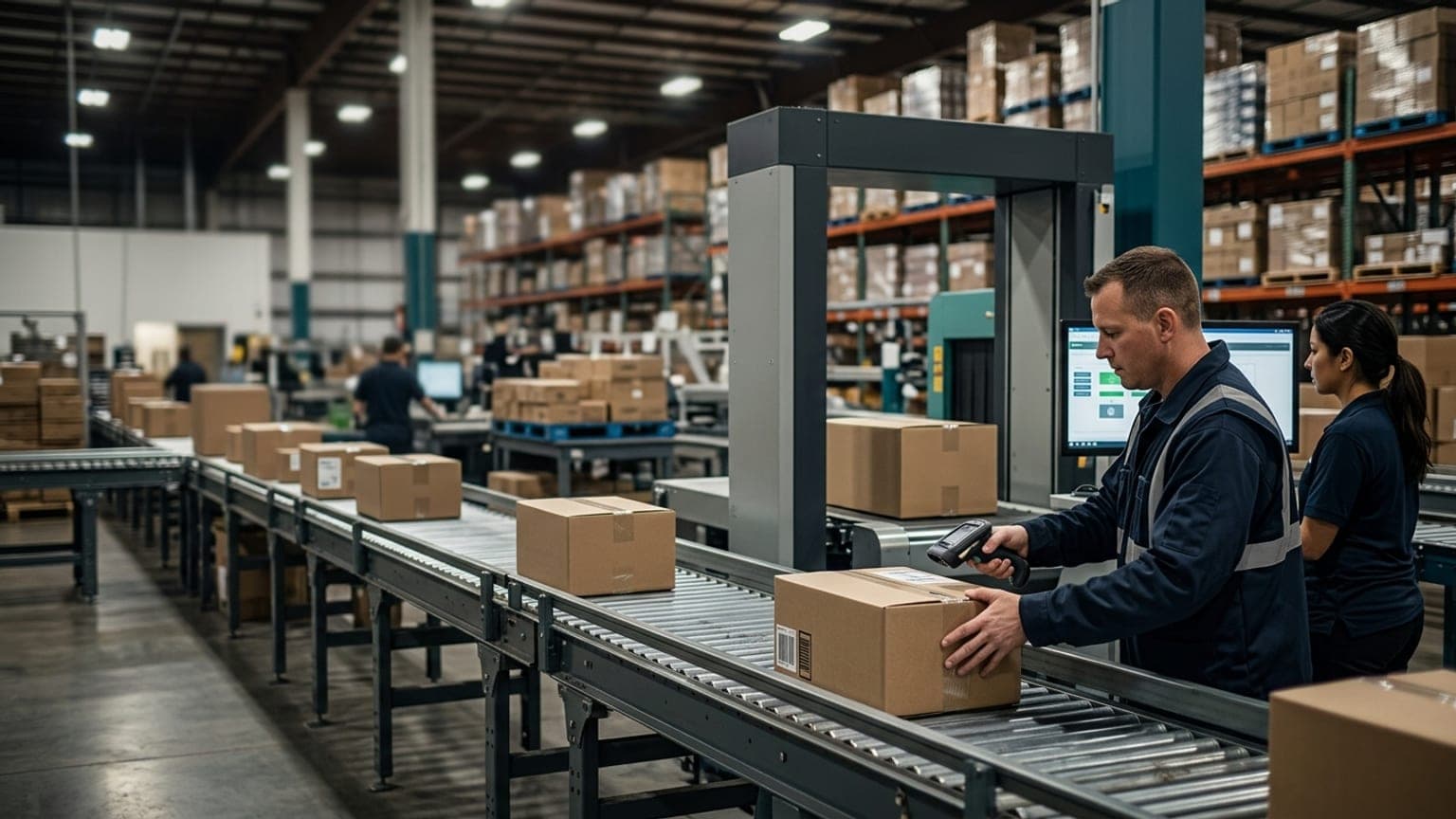
If your operation captures dimensions at receiving or packing, those records can help identify the items that are most likely to create slotting friction. The data does not need to be perfect to be useful. It only needs to be consistent enough to show where the layout is causing extra touches.
Make slotting decisions visible to the floor
Slotting only works if the warehouse can actually follow it.
That means the rules should be visible in the WMS, in the task screen, or in whatever workflow the team uses to direct putaway and replenishment. Operators should not have to guess whether a carton belongs in a forward pick slot, a reserve location, or a special lane.
Good slotting guidance usually includes:
- the preferred location
- the acceptable alternate location
- the slot family
- the handling restriction if the item does not fit
- the escalation path when the location is full
This is where guided workflow tools help. A system like Warehouse Assistant can reduce memory-based decisions and make the slotting rule easier to follow during busy shifts.
The more often operators override the recommended location, the more the team should investigate the cause. Maybe the slot family is wrong. Maybe velocity changed. Maybe the item dimensions changed. Maybe the workflow is too slow to use on a busy dock.
Watch for the three most common slotting failures
Slotting plans usually fail in a few predictable ways.
1. The fast movers are too far away.
The team knows the SKU is important, but the location was chosen for convenience during a prior layout and never revisited.
2. The slot family is too broad.
Small cartons, large cartons, and irregular items are treated as if they belong in the same category. That creates overflow and weak handling discipline.
3. The layout never gets refreshed.
Velocity changes. Product mix changes. Packaging changes. A slotting plan that was good six months ago may now be creating unnecessary travel and extra touches.
The fix is regular review, not constant redesign. A monthly or quarterly review is usually enough for many operations, as long as the team checks actual movement, not just open space.
Measure whether slotting is improving the operation
Use a small KPI set that shows the layout is doing useful work:
- pick travel time
- replenishment frequency
- overflow events
- repack or rehandle rate
- mispick rate by location family
- slot override rate
- time to put away new inventory
- percentage of fast movers in the right pick zone
If the numbers improve but operators complain more, the layout may be technically better and operationally harder to use. The best slotting plan is the one the floor can follow consistently.
Make the layout useful, not perfect
Warehouse slotting by dimensions is not about building an ideal map once and freezing it forever.
It is about making sure the products that move the most are easiest to store, reach, and handle. It is about matching the physical shape of the inventory to the actual travel path of the operation. And it is about reducing the little frictions that add up to rework, overflow, and wasted labor.
If you already capture dimensions during receiving, shipping, or packing, you can use that data to make slotting decisions much less subjective. Sizelabs helps warehouse teams connect measurement data, workflow logic, and operational decisions so the layout supports the work instead of fighting it.